StartseiteMCPWorkbenchSkills
StartseiteWorkbenchBenachrichtigungenMein Bereich
llms.txt · MCP-AnleitungDatenschutz · Nutzungsbedingungen · Supportv1.8.3
  1. Startseite
  2. /Reaktion

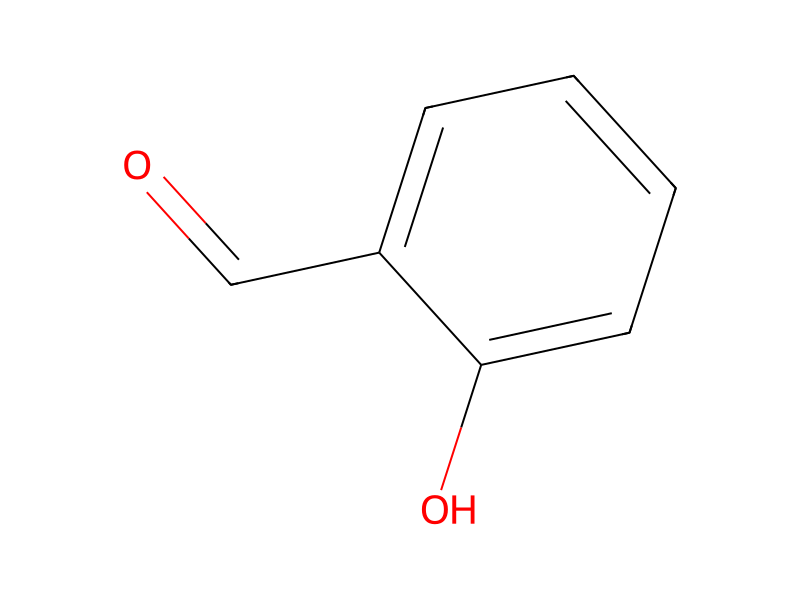
Salicylaldehyde → 2-Undecyloxybenzaldehyde

HRID 1087325
Drucken

Reaktionsgleichung

Reaktionsgleichung von HRID 1087325
[CH:1](=[O:9])[C:2]1[C:3](=[CH:5][CH:6]=[CH:7][CH:8]=1)[OH:4].[CH2:10](Br)[CH2:11][CH2:12][CH2:13][CH2:14][CH2:15][CH2:16][CH2:17][CH2:18][CH2:19][CH3:20].C(=O)([O-])[O-].[K+].[K+]>CN(C)C=O.CCCCCC>[CH2:20]([O:4][C:3]1[CH:5]=[CH:6][CH:7]=[CH:8][C:2]=1[CH:1]=[O:9])[CH2:19][CH2:18][CH2:17][CH2:16][CH2:15][CH2:14][CH2:13][CH2:12][CH2:11][CH3:10]
KomponentenReaktionsbedingungenVersuchsvorschriftAufarbeitungQuellen und NachweiseNotizen zur Reaktion

Komponenten

6

Edukt 3

HCID 6998SalicylaldehydeHCID 11430Potassium CarbonateHCID 127441-Bromoundecane

Produkt 1

HCID 156174952-Undecyloxybenzaldehyde

Reagenzien, Katalysatoren, Lösungsmittel 2

HCID 6228DimethylformamideLösungsmittelHCID 8058HexaneLösungsmittel

Reaktionsbedingungen

Temperatur
100 °C

Versuchsvorschrift

A mixture of salicylaldehyde (10.15 mmoles), undecylbromide (10.3 mmoles) and potassium carbonate (11.7 mmoles) in dimethylformamide (10 ml) is heated to 100° C. for 1 hour and then is cooled. The reaction mixture is taken up in hexane and is washed with 5 percent sodium hydroxide and brine. After treatment with anhydrous magnesium sulfate and charcoal, the volatiles are removed under vacuum and the residue is purified by flash chromatography to give the desired product.

Aufarbeitung

  1. temperatureis cooled
  2. washis washed with 5 percent sodium hydroxide and brine
  3. customAfter treatment with anhydrous magnesium sulfate and charcoal, the volatiles are removed under vacuum
  4. customthe residue is purified by flash chromatography

Quellen und Nachweise

ORD-Eintrag
ord-654a6e6be30943e08c7b276787072583
Quelldatensatz
uspto-grants-1991_07
DOI
10.6084/m9.figshare.5104873.v1
Patentnummer
US05034537

Notizen zur Reaktion

Auf dieser SeiteKomponentenReaktionsbedingungenVersuchsvorschriftAufarbeitungQuellen und NachweiseNotizen zur Reaktion