Anisole → trans-1-(p-nitrobenzyloxycarbonyl)-4-benzoyloxy-L-proline
Reaktionsgleichung

COC1C=CC(C[O:8][C:9](=[O:37])[C@@H:10]2[CH2:14][C@@H:13]([O:15][C:16](=[O:23])[C:17]3[CH:22]=[CH:21][CH:20]=[CH:19][CH:18]=3)[CH2:12][N:11]2[C:24]([O:26][CH2:27][C:28]2[CH:33]=[CH:32][C:31]([N+:34]([O-:36])=[O:35])=[CH:30][CH:29]=2)=[O:25])=CC=1.C1(OC)C=CC=CC=1>FC(F)(F)C(O)=O>[N+:34]([C:31]1[CH:32]=[CH:33][C:28]([CH2:27][O:26][C:24]([N:11]2[CH2:12][C@H:13]([O:15][C:16](=[O:23])[C:17]3[CH:22]=[CH:21][CH:20]=[CH:19][CH:18]=3)[CH2:14][C@H:10]2[C:9]([OH:37])=[O:8])=[O:25])=[CH:29][CH:30]=1)([O-:36])=[O:35]Komponenten
4
Edukt 2
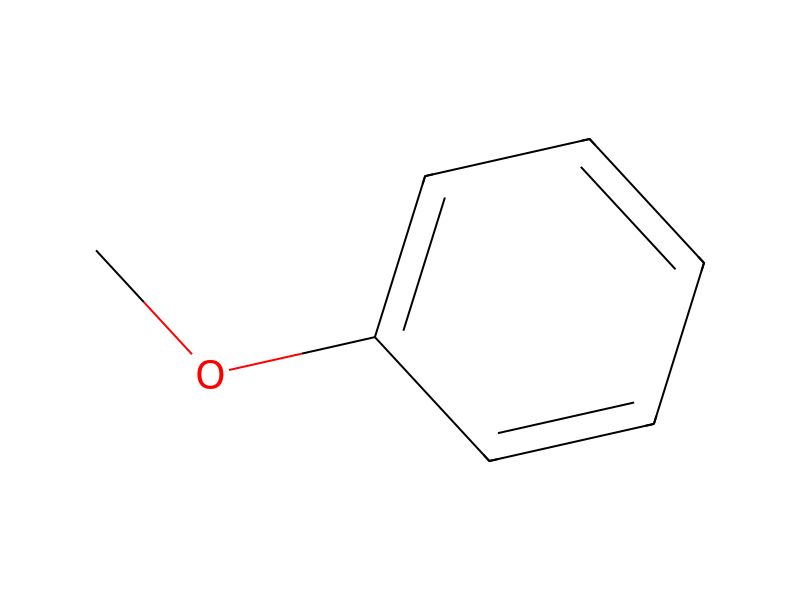

Produkt 1

Reagenzien, Katalysatoren, Lösungsmittel 1

Versuchsvorschrift
Trans-1-(p-Nitrobenzyloxycarbonyl)-4-benzoyloxy-L-proline p-methoxybenzyl ester (61.3 g) and anisole (12.8 ml) were stirred together with 70 ml of trifluoroacetic acid at room temperature for 30 minutes. The reaction mixture was distilled to remove tri-fluoroacetic acid, and the residue was diluted with ethyl acetate and a saturated sodium bicarbonate solution. The precipitated crystals were separated by filtration and dissolved in methanol. The solution was acidified with 6N hydrochloric acid to pH 1.0, diluted with ethyl acetate, washed with water and dried over anhydrous sodium sulfate. The solvent was removed by distillation to give trans-1-(p-nitrobenzyloxycarbonyl)-4-benzoyloxy-L-proline.