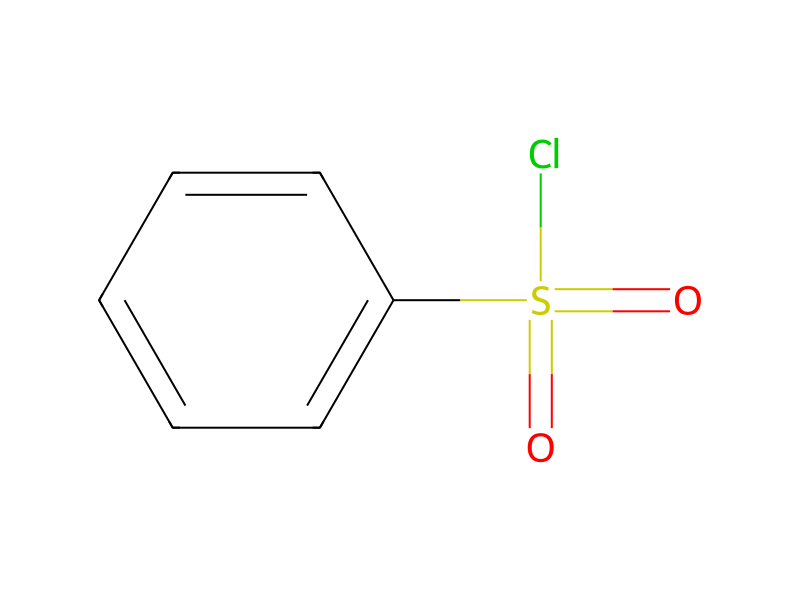
[NH2:1][CH:2]([P:11](=[O:18])([O:15][CH2:16][CH3:17])[O:12][CH2:13][CH3:14])[P:3](=[O:10])([O:7][CH2:8][CH3:9])[O:4][CH2:5][CH3:6].[C:19]1([S:25](Cl)(=[O:27])=[O:26])[CH:24]=[CH:23][CH:22]=[CH:21][CH:20]=1>N1C=CC=CC=1.CN(C)C1C=CN=CC=1.C(OCC)(=O)C>[C:19]1([S:25]([NH:1][CH:2]([P:3](=[O:10])([O:7][CH2:8][CH3:9])[O:4][CH2:5][CH3:6])[P:11](=[O:18])([O:12][CH2:13][CH3:14])[O:15][CH2:16][CH3:17])(=[O:27])=[O:26])[CH:24]=[CH:23][CH:22]=[CH:21][CH:20]=1To a solution of tetraethyl (aminomethylene)bis-(phosphonate) (661 mg) in pyridine (2 ml) were added benzenesulfonyl chloride (0.35 ml) and then 4-(dimethylamino)pyridine (50 mg) at ambient temperature with stirring. After stirring for 4 hours at the same temperature, the reaction mixture was diluted with ethyl acetate (20 ml). The mixture was washed with 1N hydrochloric acid four times, water and saturated aqueous hydrogen bicarbonate solution successively. The organic layer was dried over magnesium sulfate and evaporated under reduced pressure. The residue was subjected to column chromatography on silica gel (20 g) eluted with a mixture of chloroform and methanol (20:1 V/V) to give tetraethyl (phenylsulfonylaminomethylene)bis(phosphonate) as a yellow syrup (364 mg).