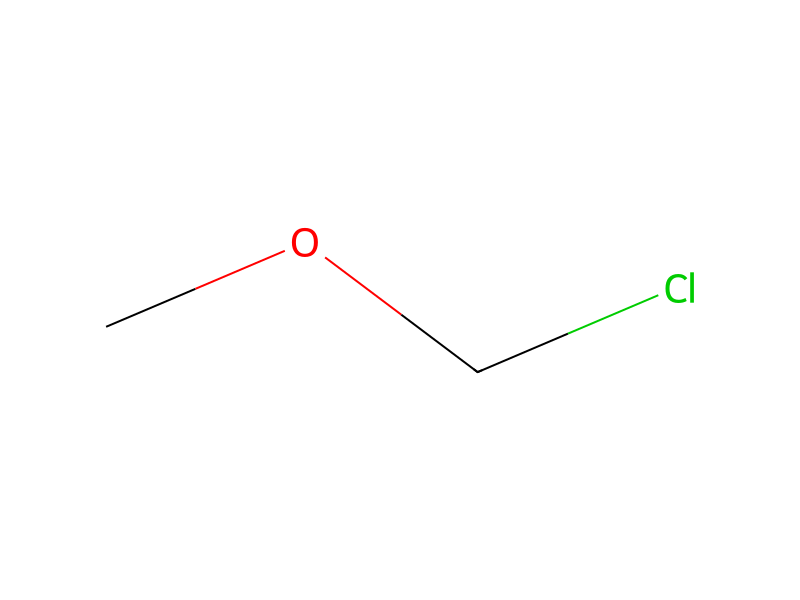
[O:1]1[C:5]2[C:6]([CH:10]3[C:16]4[CH:17]=[C:18]([OH:22])[C:19]([Cl:21])=[CH:20][C:15]=4[CH2:14][CH2:13][N:12]([CH3:23])[CH2:11]3)=[CH:7][CH:8]=[CH:9][C:4]=2[CH:3]=[CH:2]1.[I-].[K+].[CH3:26][O:27][CH2:28]Cl>C(O)C>[O:1]1[C:5]2[C:6]([CH:10]3[C:16]4[CH:17]=[C:18]([O:22][CH2:26][O:27][CH3:28])[C:19]([Cl:21])=[CH:20][C:15]=4[CH2:14][CH2:13][N:12]([CH3:23])[CH2:11]3)=[CH:7][CH:8]=[CH:9][C:4]=2[CH:3]=[CH:2]1(+)-5-(7-benzofuranyl)-8-chloro-3-methyl-2,3,4,5-tetrahydro-1H-3-benzazepin-7-ol (1.64 g, 0.005 mol) is suspended in dry ethanol (50 ml). Potassium-tert.-butylate (1.12 g, 0.010 mol) and potassiumiodide (0.10 g) are added. To the resulting solution chloromethyl methyl ether (0.84 g, 0.010 mol) is added. The reaction mixture is stirred for 3 hours. The resulting suspension is filtered and the filtrate evaporated to dryness under reduced pressure. The residue is chromatographed on a silicia-gel column, using dichloromethane/methanol (25:1) as the eluent. The fractions containing the product are collected and evaporated to dryness under reduced pressure.