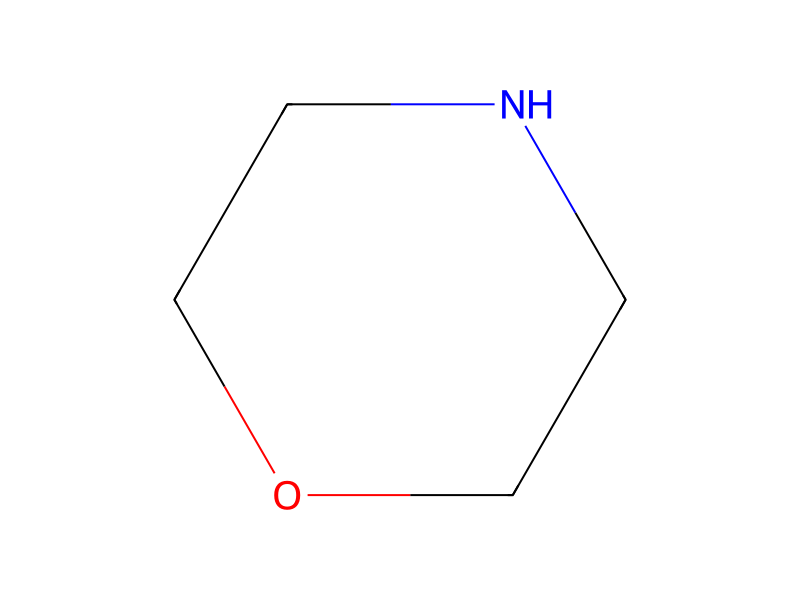
Morpholine → morpholin-4-yl-{4-[(2S)-4-((1R)-1-phenylethyl)-morpholin-2-yl]-phenyl}-methanone
HRID 1091386
Reaktionsgleichung

C(N1C=CN=C1)(N1C=CN=C1)=O.[C:13]1([C@H:19]([N:21]2[CH2:26][CH2:25][O:24][C@@H:23]([C:27]3[CH:35]=[CH:34][C:30]([C:31]([OH:33])=O)=[CH:29][CH:28]=3)[CH2:22]2)[CH3:20])[CH:18]=[CH:17][CH:16]=[CH:15][CH:14]=1.[NH:36]1[CH2:41][CH2:40][O:39][CH2:38][CH2:37]1>ClCCl>[N:36]1([C:31]([C:30]2[CH:34]=[CH:35][C:27]([C@@H:23]3[O:24][CH2:25][CH2:26][N:21]([C@@H:19]([C:13]4[CH:18]=[CH:17][CH:16]=[CH:15][CH:14]=4)[CH3:20])[CH2:22]3)=[CH:28][CH:29]=2)=[O:33])[CH2:41][CH2:40][O:39][CH2:38][CH2:37]1Komponenten
5