Indole → 3-(2-(4-Pyridyl)ethyl)indole
HRID 1095508
Reaktionsgleichung

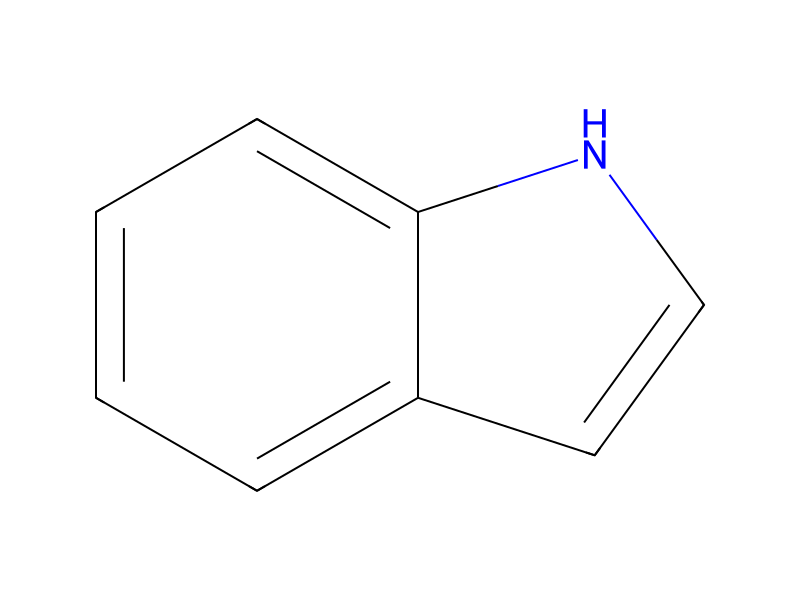
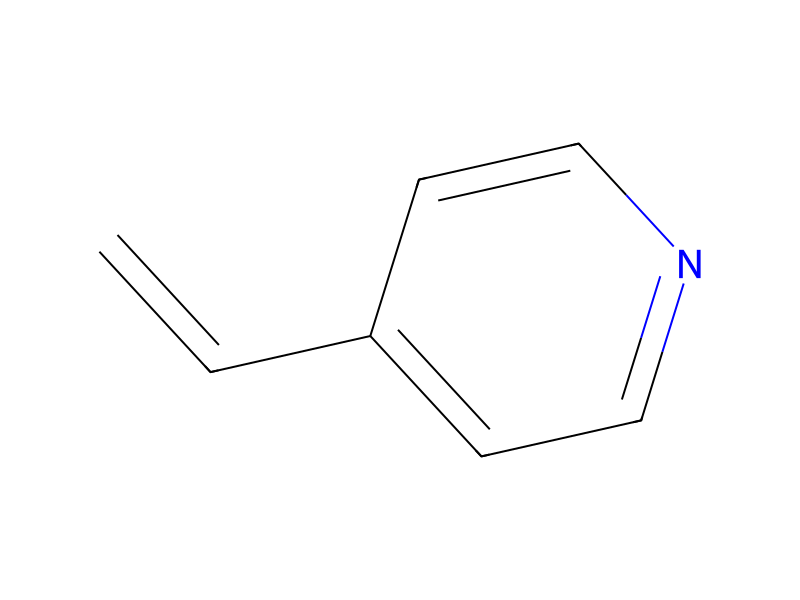
[NH:1]1[C:9]2[C:4](=[CH:5][CH:6]=[CH:7][CH:8]=2)[CH:3]=[CH:2]1.[CH:10]([C:12]1[CH:17]=[CH:16][N:15]=[CH:14][CH:13]=1)=[CH2:11]>C(O)(=O)C>[N:15]1[CH:16]=[CH:17][C:12]([CH2:10][CH2:11][C:3]2[C:4]3[C:9](=[CH:8][CH:7]=[CH:6][CH:5]=3)[NH:1][CH:2]=2)=[CH:13][CH:14]=1Komponenten
4

Reagenzien, Katalysatoren, Lösungsmittel 1

Versuchsvorschrift
Indole (5.85 g, 50 mmol) was dissolved in glacial acetic acid (25 ml) together with 4-vinylpyridine (5.80 g, 55 mmol). The reaction mixture was boiled under reflux for 6 h. For working up, the glacial acetic acid was distilled off. Saturated NaHCO3 solution (75 ml) and water (15 ml) were then added to the mixture. The mixture was extracted with ethyl acetate (1×100 ml, 3×15 ml). (The insoluble oil remaining between the phases contained only polar impurities.) The organic phase was dried over Na2SO4 and then evaporated. The residue was recrystallized twice from ethyl acetate (30 ml each time). The product Ind-14 was obtained as a pale yellow solid in a yield of 7.06 g (31.8 mmol, 63%, m.p.: 154-158° C.).