Cyanogen Bromide → HCID 86626274, Verbindung
Reaktionsgleichung

[Cl:1][C:2]1[C:11]([NH2:12])=[C:10]([NH:13][CH2:14][CH:15]([CH3:17])[CH3:16])[C:9]2[C:4](=[CH:5][CH:6]=[CH:7][CH:8]=2)[N:3]=1.[N:18]#[C:19][Br:20]>C(O)C>[BrH:20].[Cl:1][C:2]1[C:11]2[N:12]=[C:19]([NH2:18])[N:13]([CH2:14][CH:15]([CH3:17])[CH3:16])[C:10]=2[C:9]2[CH:8]=[CH:7][CH:6]=[CH:5][C:4]=2[N:3]=1Komponenten
4
Edukt 2
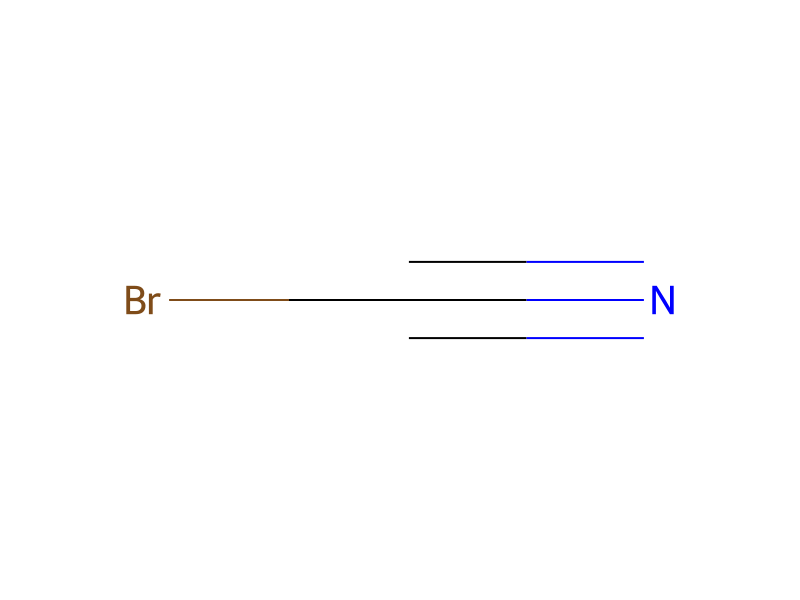

Produkt 1

Reagenzien, Katalysatoren, Lösungsmittel 1

Versuchsvorschrift
A solution of 2-chloro-N4-(2-methylpropyl)-3,4-quinolinediamine (André et al, U.S. Pat. No. 4,988,815, Example 6, 8.92 g, 35.7 mmol) in ethanol (50 mL) was stirred at 100° C.; cyanogen bromide (5.67 g, 53.5 mmol) was added in one portion. The red solution was stirred overnight, washed three times with water, and washed once with brine. A precipitate formed in the aqueous washings and was isolated by filtration. The organic fraction was dried over magnesium sulfate, filtered through a layer of CELITE filer agent, concentrated under reduced pressure, further dried under high vacuum, and combined with the isolated precipitate to provide 9.81 g of 4-chloro-1-(2-methylpropyl)-1H-imidazo[4,5-c]quinoline-2-amine hydrobromide as a dark red solid.