Reaktionsgleichung

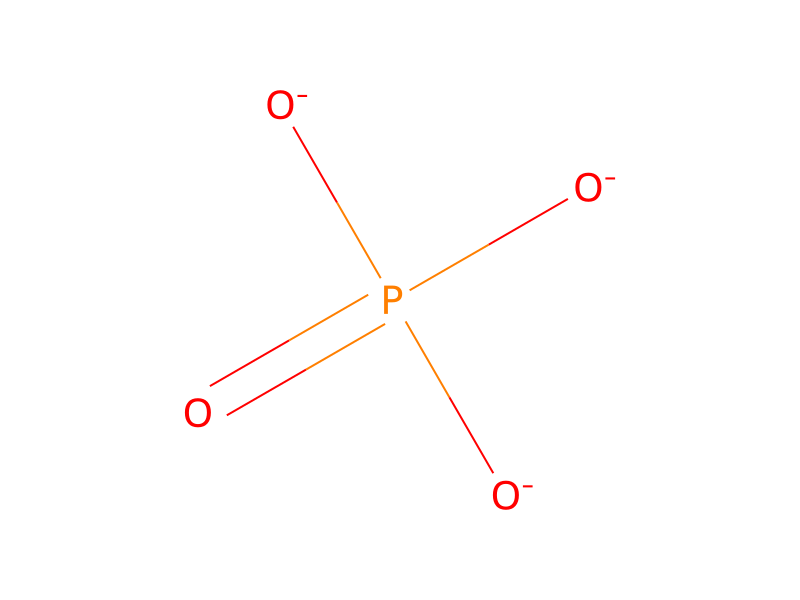
[OH-].[O-:2][P:3]([O-:6])([O-:5])=[O:4].[O-:7][P:8]([O-:11])([O-:10])=[O:9].[O-][P:13]([O-])([O-])=O.[Ca+2:17].[Ca+2].[Ca+2].[Ca+2].[Ca+2].P([O-])([O-])([O-])=O>>[P:3]([O-:6])([O-:5])([O-:4])=[O:2].[Ca+2:17].[P:8]([O-:11])([O-:10])([O-:9])=[O:7].[Ca+2:17].[Ca+2:17].[Ca:17].[P:13]Komponenten


Versuchsvorschrift
Similarly, it is also necessary to prepare whitlockite as a gelatinous precipitate from aqueous solution in order to ultimately obtain a shaped ceramic body. In this instance, however, simply reacting calcium ion with phosphate ion in the appropriate whitlockite stoichiometry, i.e. Ca/P=1.5 is ineffective in producing pure whitlockite and instead affords a mixture of whitlockite and hydroxylapatite. This problem has been overcome by the addition of a small amount of sulfate ion to the calcium phosphate precipitate which results in complete conversion of the latter to substantially pure whitlockite (containing within its crystal lattice about 0.1 to 2.2 percent by weight sulfate ion) containing no detectable trace of hydroxylapatite. Thus, calcium ion is reacted with phosphate ion in a molar ratio of about 1.2-1.5:1 in aqueous medium at a pH of about 10-12 to produce a gelatinous precipitate of a calcium phosphate having a molar ratio of calcium to phosphorus in the approximate range 1.50-1.53:1, separating said gelatinous precipitate from the solution, washing said precipitate free of soluble salts with water, homogeneously suspending the washed precipitate in approximately 1-3 percent aqueous ammonium sulfate in the amount of about 10-20 ml. per gram of expected whitlockite and separating the precipitate from the ammonium sulfate solution. The water content of the precipitate is then adjusted to give an appropriate casting slip.
Quellen und Nachweise
- ORD-Eintrag
- ord-635c019471644c6eae92ba1436de90f9
- Quelldatensatz
- uspto-grants-1982_01
- Patentnummer
- US04312821
Verknüpfte Notizen
Wird geladen…