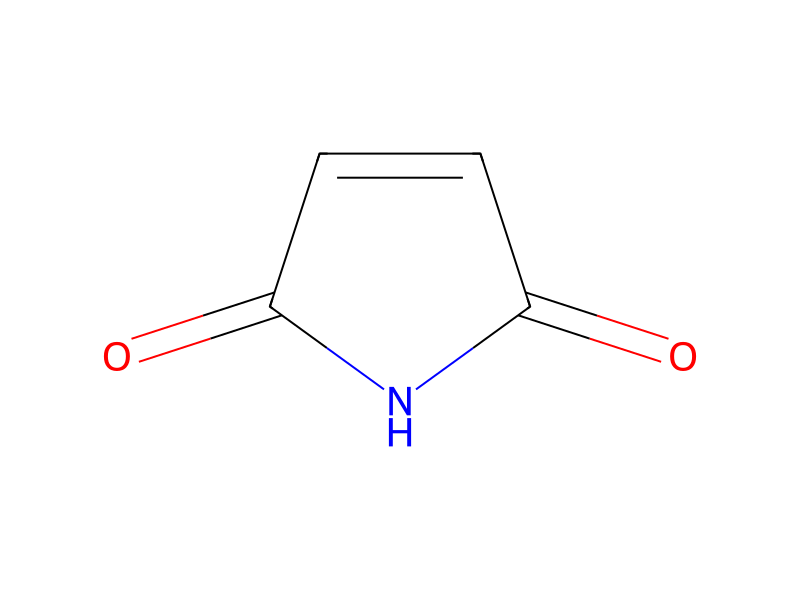
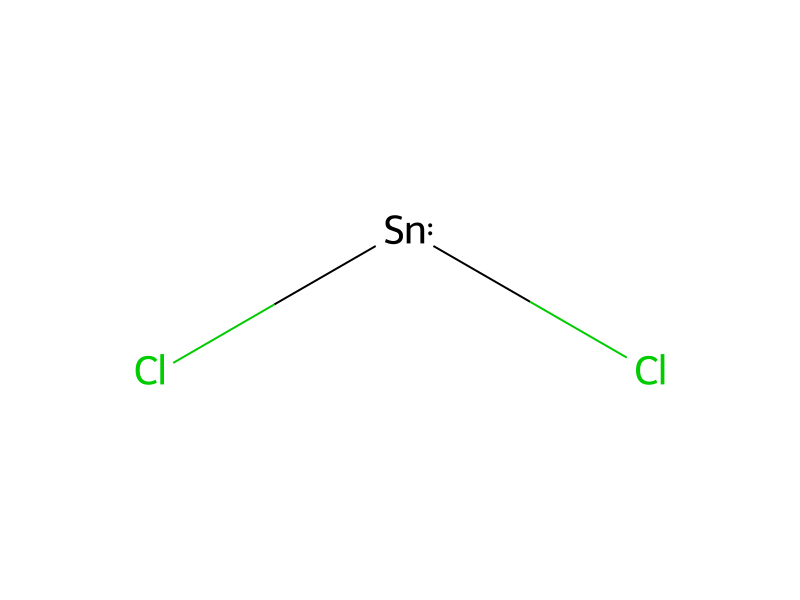
[Br:1][C:2]1[C:10]2[O:9][C:8](/[CH:11]=[CH:12]/[C:13]3[CH:18]=[CH:17][CH:16]=[CH:15][C:14]=3[Cl:19])=[CH:7][C:6]=2[CH:5]=[C:4]([O:20][CH3:21])[CH:3]=1.[C:22]1(=[O:28])[NH:26][C:25](=[O:27])[CH:24]=[CH:23]1.[Sn](Cl)Cl>>[Br:1][C:2]1[C:10]2[O:9][C:8]3[CH2:11][CH:12]([C:13]4[CH:18]=[CH:17][CH:16]=[CH:15][C:14]=4[Cl:19])[CH:23]4[CH:24]([C:25](=[O:27])[NH:26][C:22]4=[O:28])[C:7]=3[C:6]=2[CH:5]=[C:4]([O:20][CH3:21])[CH:3]=1A solution of (859) (4.89 g, 0.0185 mol) prepared as described in example 441, maleimide (1.44 g, 0.02 mol) and tin(II) chloride (2.8 g, 0.02 mol) in xylenes (40 mL) was heated to 150° C. overnight. After the addition of more maleimide (1.44 g, 0.02 mol) and tin(II) chloride (1.44 g, 0.01 mol) the reaction was again heated to 150° C. overnight. The solid which formed was collected and washed with xylenes (20 mL) before dissolving in ethyl acetate (200 mL). Water (50 mL) was added and the mixture was filtered through a pad of Celite. The resulting layers were separated, the organic phase was washed with brine (50 mL) dried over magnesium sulphate, filtered and concentrated to dryness. The product (860) (6.1 g, 71%) was used without further purification. 1H NMR δ (CDCl3) 7.60 (d, J=6.5 Hz, 1H), 7.40 (m, 2H), 7.25 (m, 1H), 7.1 (m, 2H), 4.36 (dd, J=7.3, 1 Hz, 1H), 4.0 (m, 1H), 3.86 (s, 3H), 3.81 (m, 1H), 3.45 (m, 1H), 3.10 (dd, J=4.7, 17 Hz, 1H); MH+:462,460.
Wird geladen…