Hydrochloric Acid → 4-Hydroxy-7-methylcoumarin
Reaktionsgleichung

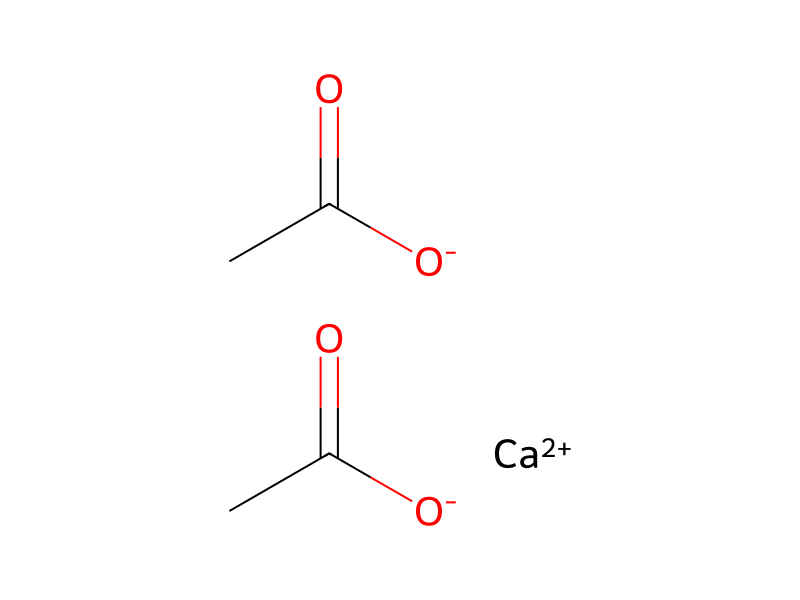
BrC[C:3]1[C:12]2[C:7](=[CH:8][C:9](OC)=[CH:10][CH:11]=2)OC(=O)C=1.[C:16]([O-:19])(=[O:18])[CH3:17].[Ca+2].[C:21]([O-])(=[O:23])C.Cl>C(O)(=O)C.C(O)C>[OH:23][C:21]1[C:9]2[C:10](=[CH:11][C:12]([CH3:3])=[CH:7][CH:8]=2)[O:18][C:16](=[O:19])[CH:17]=1Komponenten
Edukt 3


Produkt 1

Reagenzien, Katalysatoren, Lösungsmittel 2


Versuchsvorschrift
10 g of 4-bromomethyl-7-methoxycoumarin [produced according to Secrist et al., Biochem. Biophys. Res. Commun., 45, 1262 (1971)] are heated to boiling for 2.5 hours under reflux in 40 ml of glacial acetic acid together with 6 g of calcium acetate (free of water). The solution is brought to dryness in vacuo. The residue is heated to boiling in 50 ml of ethanol and 50 ml of concentrated hydrochloric acid for 1.5 hours under reflux. The volatile components are removed under reduced pressure. The residue is dissolved in chloroform. The resulting solution is made free of acids by extraction with diluted aqueous ammoniac and water and dried over annealed potassium carbonate. After removing the chloroform in vacuo, the residue is recrystallized from ethylacetate. In this manner 1.9 g (24.8 percent of the theoretically-calculated amount) of the title compound with a melting point of 179° to 182° C. are obtained.
Aufarbeitung
- temperatureThe residue is heated
- customThe volatile components are removed under reduced pressure
- dissolutionThe residue is dissolved in chloroform
- extractionThe resulting solution is made free of acids by extraction with diluted aqueous ammoniac and water
- dry with materialdried over annealed potassium carbonate
- customAfter removing the chloroform in vacuo
- customthe residue is recrystallized from ethylacetate
Quellen und Nachweise
- ORD-Eintrag
- ord-f6b3844ed3924e6c90f376b81a3d0f14
- Quelldatensatz
- uspto-grants-1981_11
- Patentnummer
- US04302438
Notizen zur Reaktion
Wird geladen…