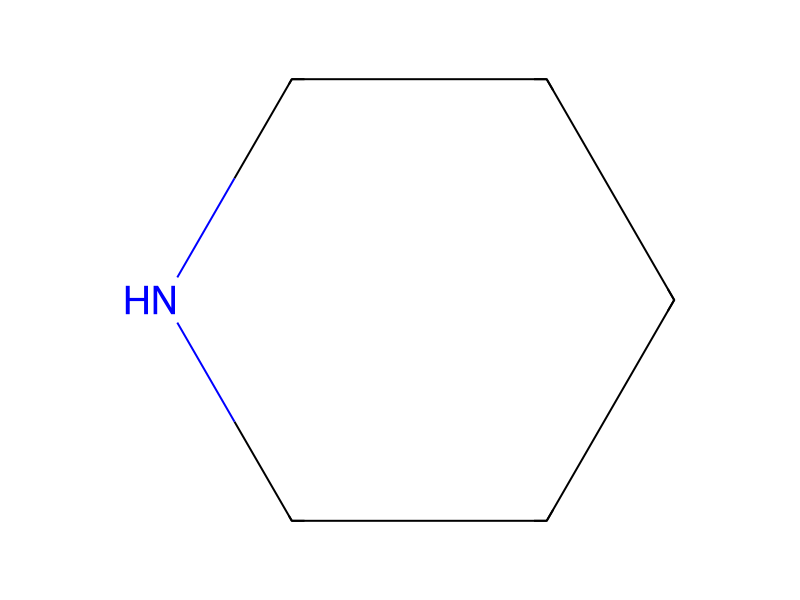
[CH3:1][O:2][C:3](=[O:23])[C:4]1[CH:9]=[C:8]([O:10][CH2:11][CH2:12][CH2:13]OS(C)(=O)=O)[CH:7]=[CH:6][C:5]=1[NH:19][C:20](=[O:22])[CH3:21].[NH:24]1[CH2:29][CH2:28][CH2:27][CH2:26][CH2:25]1.C([O-])([O-])=O.[K+].[K+].CO>C(#N)C>[NH4+:19].[OH-:2].[CH3:1][O:2][C:3](=[O:23])[C:4]1[CH:9]=[C:8]([O:10][CH2:11][CH2:12][CH2:13][N:24]2[CH2:29][CH2:28][CH2:27][CH2:26][CH2:25]2)[CH:7]=[CH:6][C:5]=1[NH:19][C:20](=[O:22])[CH3:21]A mixture of the crude 2-acetylamino-5-(3-methanesulfonyloxypropoxy)benzoic acid methyl ester, piperidine (1.28 mL, 12.9 mmol) and K2CO3 (1.07 g, 7.7 mmol) in acetonitrile (12 mL) was heated at reflux temperature for 16 h. This reaction mixture was concentrated in vacuo and the crude residue partitioned between dichloromethane and water. The aqueous was extracted with dichloromethane (3×50 mL) and the combined organics washed with brine (1×50 mL), dried (MgSO4) and concentrated in vacuo. The residue was purified by chromatography on silica gel with dichloromethane:methanol:NH4OH (aq.) (180:19:1, v/v) as eluent to provide 2-acetylamino-5-(3-piperidin-1-ylpropoxy)benzoic acid methyl ester (526 mg, 1.6 mmol, 61% from 2-acetylamino-5-(3-hydroxypropoxy)benzoic acid methyl ester).