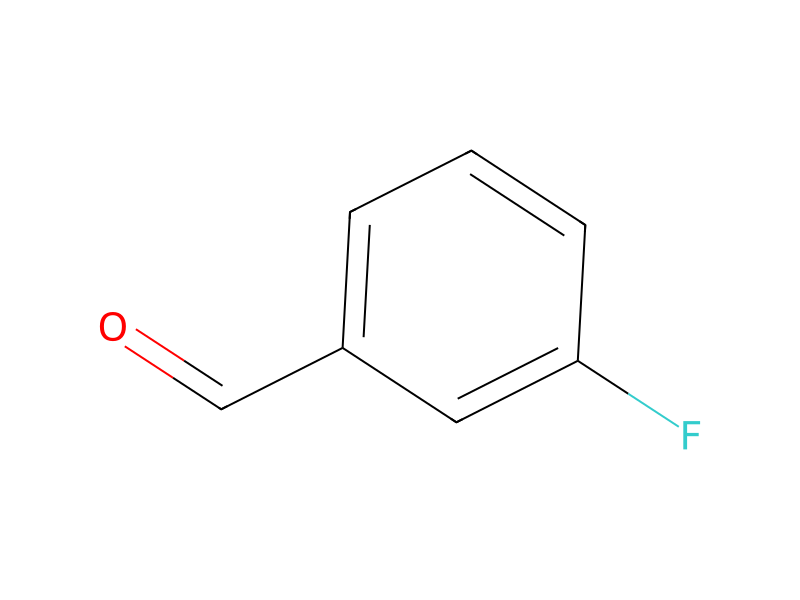
To a 1-L, three-necked, round-bottomed flask equipped with a magnetic stirrer, nitrogen inlet and an addition funnel is added 2-chloro-1-methyl-1H-imidazole (1 equiv.) and THF (0.5 M). The reaction mixture is cooled to −78° C. and n-BuLi (2.5 M in hexanes, 1.05 equiv.) is added. The resulting mixture is stirred for 1 h and a solution of 3-fluorobenzaldehyde (1.05 eq) in THF (2.5 M) is then added dropwise. After the addition is complete, the cooling bath is removed and the reaction is allowed to warm to rt. The reaction mixture is quenched with satd. aq. NH4Cl, transferred to a separatory funnel, and extracted with EtOAc. The organic layer is washed with water, brine and dried over anhydrous Na2SO4. After filtration, the solvents are evaporated under reduced pressure to yield the product. The material is purified by recrystallization or column chromatography.