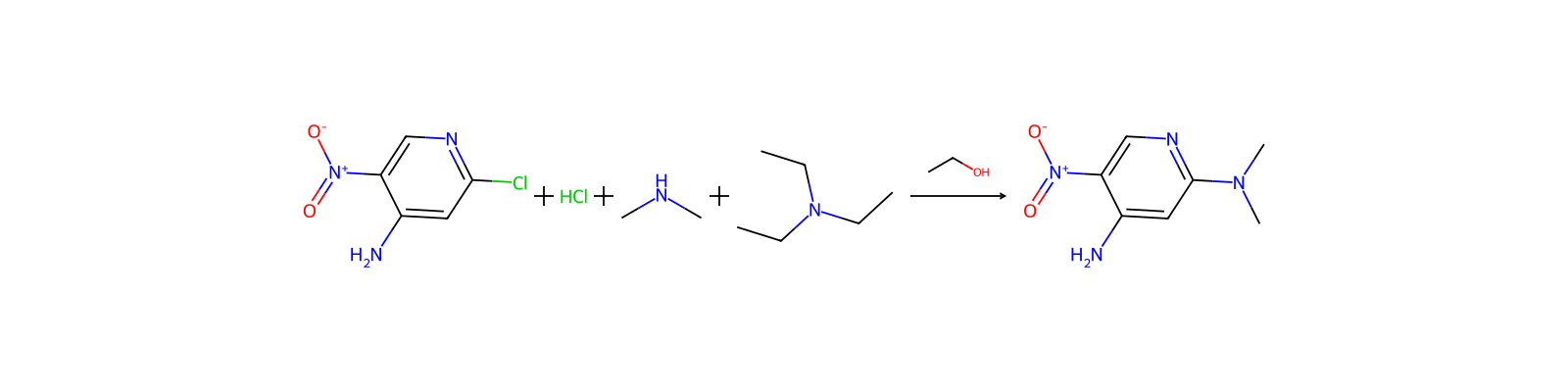
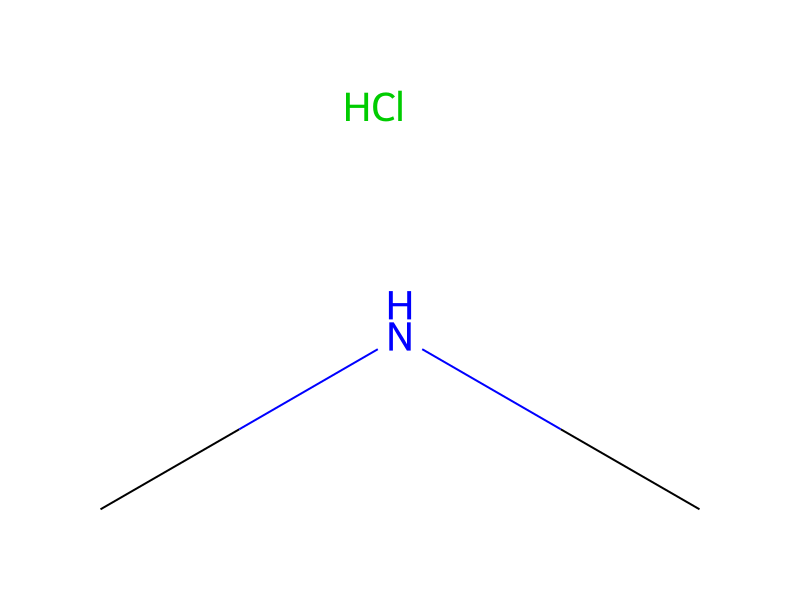
In a microwave tube, a solution of 4-amino-2-chloro-5-nitropyridine (prepared as described for compound 9) (200 mg; 1.16 mmol) in ethanol (2 ml) was treated sequentially with dimethylamine hydrochloride (471 mg; 5.78 mmol) and triethylamine (781 μl; 6.96 mmol). The tube was quickly sealed and irradiated in the microwave (CEM Discover, 150 W, 85° C., 10 min). The ethanol was evaporated, dichloromethane (15 ml) was added to dissolve the products, and the solution washed with 1M sodium hydroxide solution (2×10 ml). The organic layer was dried (sodium sulphate), the mixture filtered and the filtrate evaporated to dryness to afford N2,N2-dimethyl-5-nitro-pyridine-2,4-diamine (240 mg, 114%).