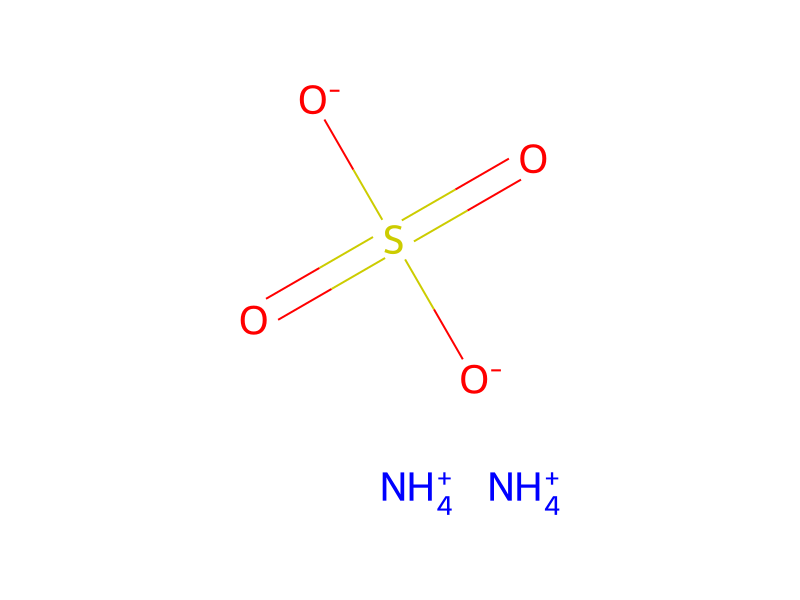
A mixture of 4-(methoxymethoxy)benzaldehyde (47 g) and potassium cyanide (6.5 g) in water (40 ml) and ethanol (52 ml) was refluxed with stirring for 21/2 hours. The resulting solution was cooled and poured into a solution of ammonium sulphate (300 g) in water (600 ml). The mixture was extracted with diethyl ether, and the ethereal solution was washed twice with water and dried over anhydrous MgSO4. Removal of the ether by distillation left 40 g of a light-brown oil. Thin layer chromatography showed this oil to consist of unreacted 4-(methoxymethoxy)benzaldehyde and 4,4'-di(methoxymethoxy)benzoin. The desired product was isolated by pouring the oil into an ice-cooled mixture of water (1900 ml) and ethanol (400 ml), filtering off the precipitated white solid (19 g) and drying it. Thin layer chromatography showed the solid to be almost entirely 4,4'-di(methoxymethoxy)benzoin and the filtrate to contain 4-(methoxymethoxy)benzaldehyde with only a trace of 4,4'-di(methoxymethoxy)benzoin.