Stannous Chloride → HCID 66758938, Verbindung
HRID 1166595
Reaktionsgleichung

[Cl:1][C:2]1[CH:7]=[CH:6][C:5]([C:8]2([OH:35])[CH2:13][CH2:12][N:11]([CH2:14][CH2:15][CH:16]=[C:17]3[C:23]4[CH:24]=[CH:25][CH:26]=[CH:27][C:22]=4[CH2:21][O:20][C:19]4[CH:28]=[CH:29][C:30]([N+:32]([O-])=O)=[CH:31][C:18]3=4)[CH2:10][CH2:9]2)=[CH:4][CH:3]=1.[Sn](Cl)Cl>CCO>[NH2:32][C:30]1[CH:29]=[CH:28][C:19]2[O:20][CH2:21][C:22]3[CH:27]=[CH:26][CH:25]=[CH:24][C:23]=3[C:17](=[CH:16][CH2:15][CH2:14][N:11]3[CH2:10][CH2:9][C:8]([C:5]4[CH:6]=[CH:7][C:2]([Cl:1])=[CH:3][CH:4]=4)([OH:35])[CH2:13][CH2:12]3)[C:18]=2[CH:31]=1Komponenten
4
Edukt 2
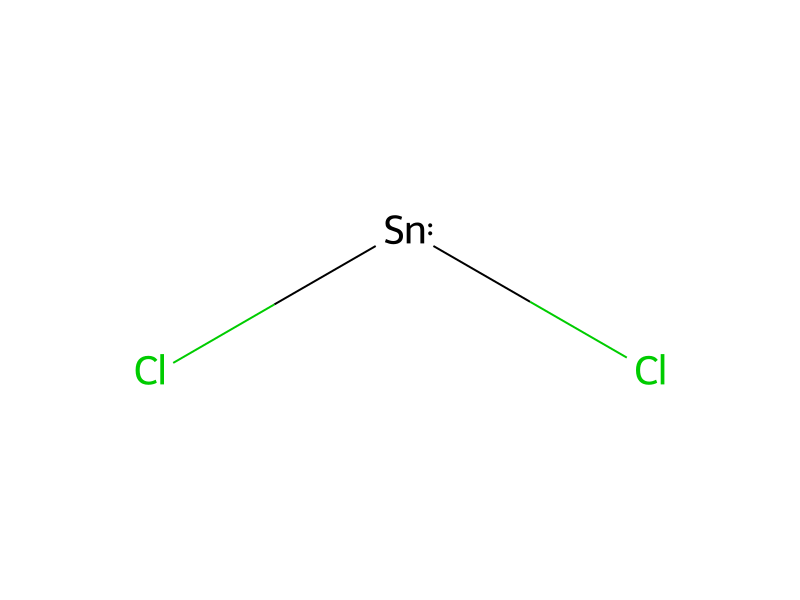

Produkt 1

Reagenzien, Katalysatoren, Lösungsmittel 1

Versuchsvorschrift
To a solution of 4-(4-chlorophenyl)-1-[3-(6,11-dihydro-2-nitrodibenz[b,e]oxepin-11-ylidene)propyl]piperidin-4-ol (120 mg) in EtOH (15 ml) were added tin (II) chloride (190 mg), and the mixture was heated to reflux for 1 hour. The was distilled off under reduced pressure. The residue was added ethyl acetate and sodium aqueous to neutralize. The organic layer was separated and washed with saturated aqueous sodium chloride, and dried with magnesium sulfate. The solvent was distilled off under reduced pressure. The residue was purified by silica gel chromatography eluting with dichloromethane-methanol (95:5) to give the titled compound (70 mg).