Reaktionsgleichung

COC1C=[CH:5][C:6]([CH2:11][C:12]2[N:21]=[CH:20][CH:19]=[C:18]3[C:13]=2[CH:14]=[C:15](OC)[C:16](OC)=[CH:17]3)=CC=1OC.[CH3:26][O:27][C:28]1[CH:29]=[CH:30][C:31]([CH2:36][C:37]2[N:46]=[CH:45][CH:44]=[C:43]3[C:38]=2[CH:39]=[C:40]([O:49][CH3:50])[C:41]([O:47][CH3:48])=[CH:42]3)=[CH:32][C:33]=1[O:34][CH3:35].Cl.C([Br:61])C(C1C=CC=CC=1)=O>CC(C)=O>[CH:11]1[CH:6]=[CH:5][N:21]2[CH:20]=[CH:19][C:18]3[C:13](=[CH:14][CH:15]=[CH:16][CH:17]=3)[C:12]=12.[CH3:26][O:27][C:28]1[CH:29]=[CH:30][C:31]([CH2:36][C:37]2[N:46]=[CH:45][CH:44]=[C:43]3[C:38]=2[CH:39]=[C:40]([O:49][CH3:50])[C:41]([O:47][CH3:48])=[CH:42]3)=[CH:32][C:33]=1[O:34][CH3:35].[BrH:61]Komponenten
Edukt 3


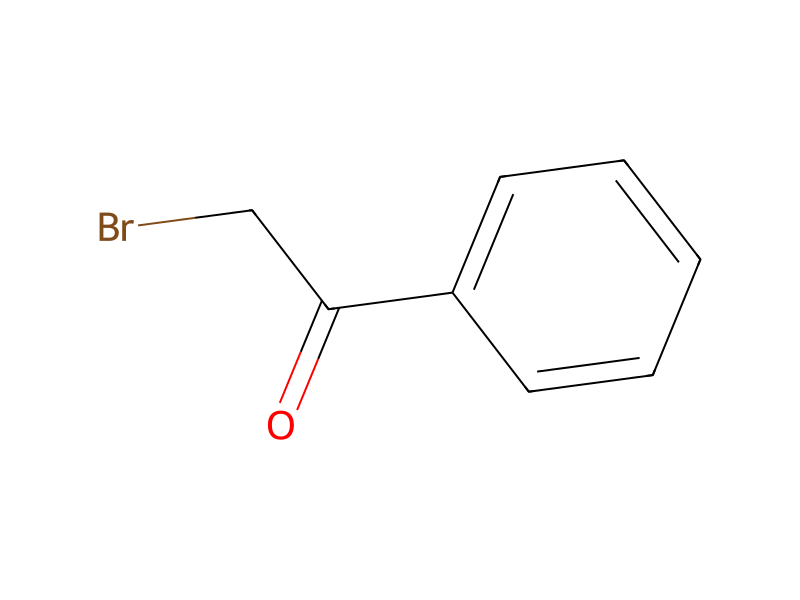
Produkt 2


Reagenzien, Katalysatoren, Lösungsmittel 1

Versuchsvorschrift
A series of novel pyrrolo[2,1-a]isoquinoline dyes was prepared from readily available starting materials via a simple synthetic pathway. One such starting material is papaverine, a naturally occurring alkaloid that is relatively inexpensive and commercially available as its hydrochloride salt. Papaverine hydrochloride was converted to its free base in 97% yield. The free base was subsequently alkylated with phenacyl bromide in refluxing acetone to give 1 in 56% yield (Scheme 1). Refluxing the mixture for one hour produced good results; additional heating resulted in substantial decomposition of 1 to papaverine hydrobromide. Attempts to isolate 1 using benzene as solvent were unsuccessful. Sodium bicarbonate in water was mixed with 1 to give the cyclized product 2 in 82% yield. ##STR15##
Aufarbeitung
- customto give 1 in 56% yield (Scheme 1)
- temperatureRefluxing the mixture for one hour
- customproduced good results
- temperatureadditional heating
Quellen und Nachweise
- ORD-Eintrag
- ord-185abfaba55a4edabda0c165062f3325
- Quelldatensatz
- uspto-grants-1998_03
- Patentnummer
- US05723617
Verknüpfte Notizen
Wird geladen…