Reaktionsgleichung

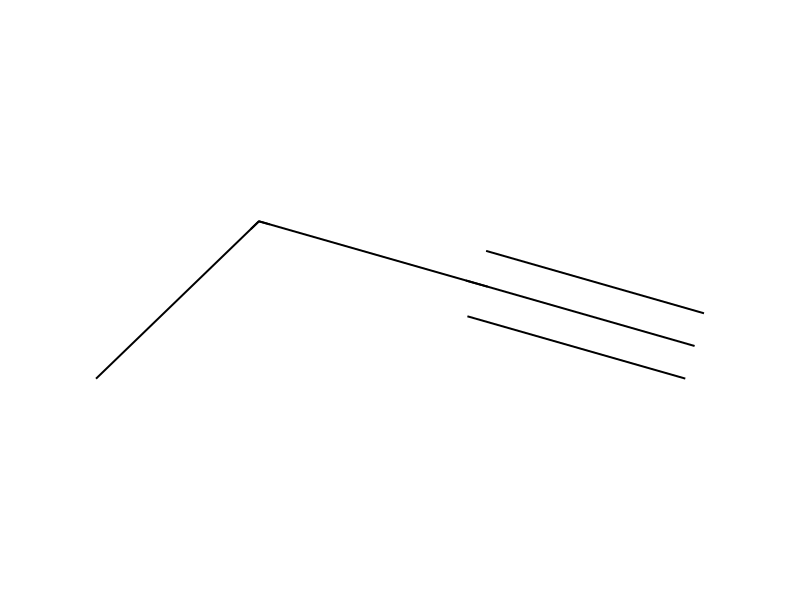
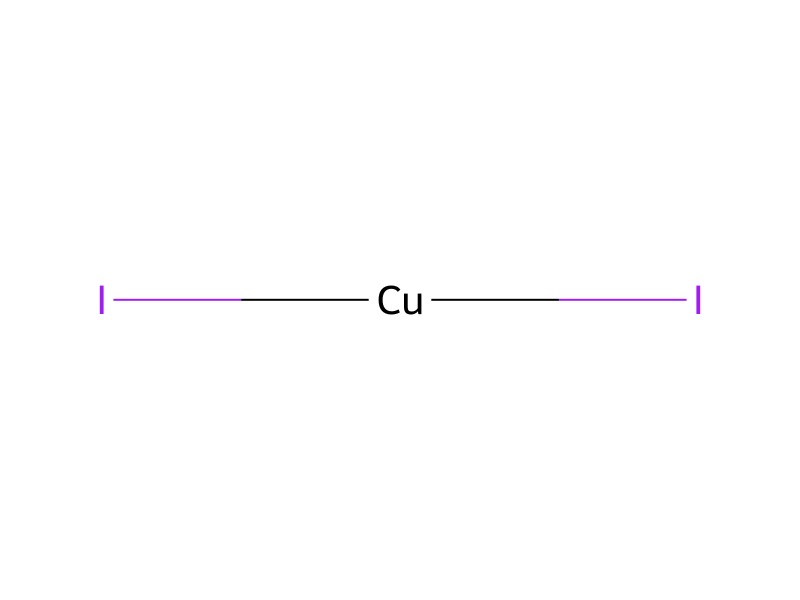
Br[C:2]1[CH:7]=[CH:6][CH:5]=[CH:4][N:3]=1.[CH:8]#[C:9][CH2:10][CH3:11]>C(NCC)C.Cl[Pd](Cl)([P](C1C=CC=CC=1)(C1C=CC=CC=1)C1C=CC=CC=1)[P](C1C=CC=CC=1)(C1C=CC=CC=1)C1C=CC=CC=1.[Cu](I)I>[C:8]([C:2]1[CH:7]=[CH:6][CH:5]=[CH:4][N:3]=1)#[C:9][CH2:10][CH3:11]Komponenten
6
Edukt 2

Produkt 1

Reagenzien, Katalysatoren, Lösungsmittel 3


Versuchsvorschrift
After dissolving 2-bromopyridine (50 g) in diethylamine (500 mL) and adding dichlorobis(triphenylphosphine)palladium (II) (2.2 g) and copper iodide (0.3 g), the mixture was stirred at room temperature for 4 hours while introducing 1-butyne (100 g) as a gas. After bubbling in nitrogen, extraction was performed with ethyl acetate. The insoluble portion was filtered out with celite, and then the organic layer was washed with water and brine. After drying over anhydrous magnesium sulfate and filtration, the solvent was concentrated under reduced pressure, the residue was purified by silica gel column chromatography, and the title compound (35 g) was obtained from the n-hexane:ethyl acetate (5:1) fraction as a brown oil.
Aufarbeitung
- customAfter bubbling in nitrogen
- extractionextraction
- filtrationThe insoluble portion was filtered out with celite
- washthe organic layer was washed with water and brine
- dry with materialAfter drying over anhydrous magnesium sulfate and filtration
- concentrationthe solvent was concentrated under reduced pressure
- customthe residue was purified by silica gel column chromatography
Quellen und Nachweise
- ORD-Eintrag
- ord-457cd82ce59544778e5b01d6a0b20f2d
- Quelldatensatz
- uspto-grants-2007_10
- Patentnummer
- US07285666B2
Verknüpfte Notizen
Wird geladen…