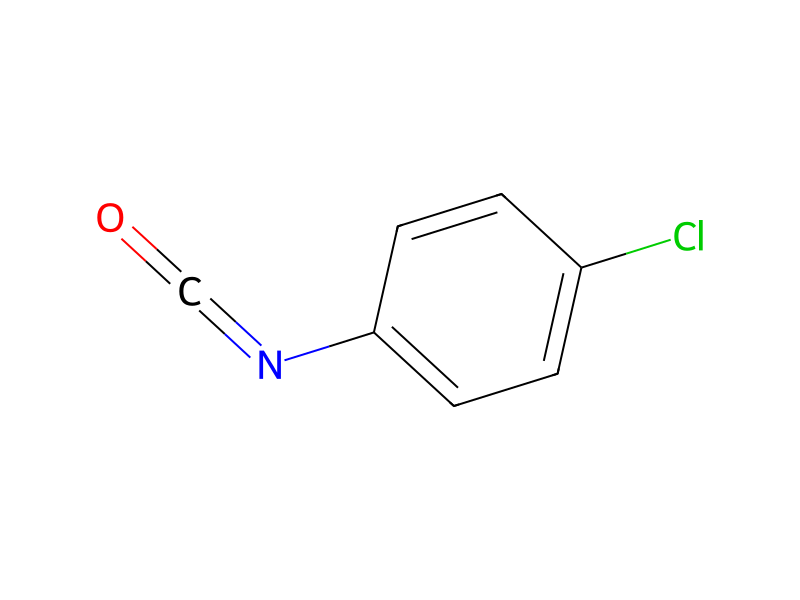
[CH2:1]1[C:9]2[C:4](=[CH:5][C:6]([S:10]([NH2:13])(=[O:12])=[O:11])=[CH:7][CH:8]=2)[CH2:3][CH2:2]1.[OH-].[Na+].[Cl:16][C:17]1[CH:22]=[CH:21][C:20]([N:23]=[C:24]=[O:25])=[CH:19][CH:18]=1.O>CC(C)=O>[Cl:16][C:17]1[CH:22]=[CH:21][C:20]([NH:23][C:24]([NH:13][S:10]([C:6]2[CH:5]=[C:4]3[C:9](=[CH:8][CH:7]=2)[CH2:1][CH2:2][CH2:3]3)(=[O:11])=[O:12])=[O:25])=[CH:19][CH:18]=1To a solution of 93.2 g of 2,3-dihydro-5-indenylsulfonamide in 300 ml of acetone were added 490 ml of a 1N sodium hydroxide solution. A solution of 79.36 g of 4-chlorophenylisocyanate in 250 ml of acetone was added to the reaction mixture with stirring. After stirring at room temperature for 18 hours, the reaction mixture was filtered and 490 ml of 1N hydrochloric acid were added to the filtrate thereby providing a fine white precipitate. One liter of water was added, and the solid was recovered by filtration to provide 144.86 g of the desired title product, m.p. 169°-172° C.