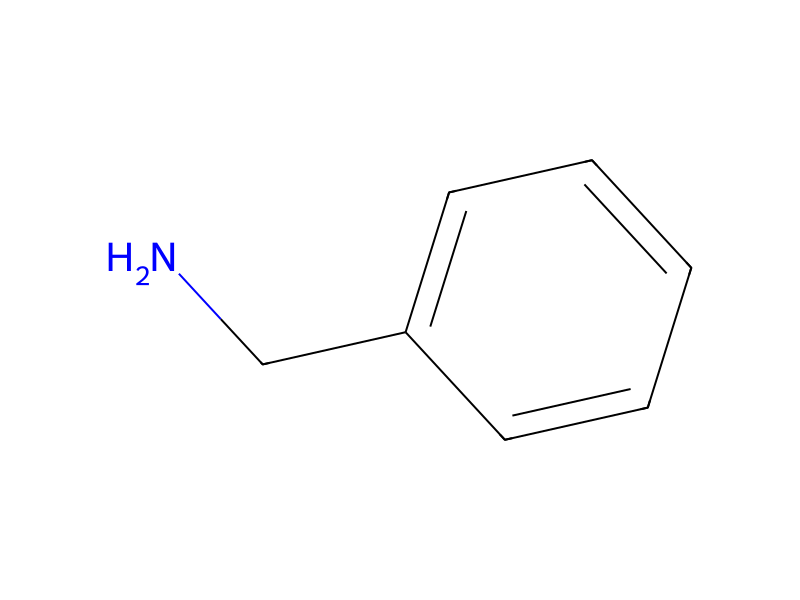
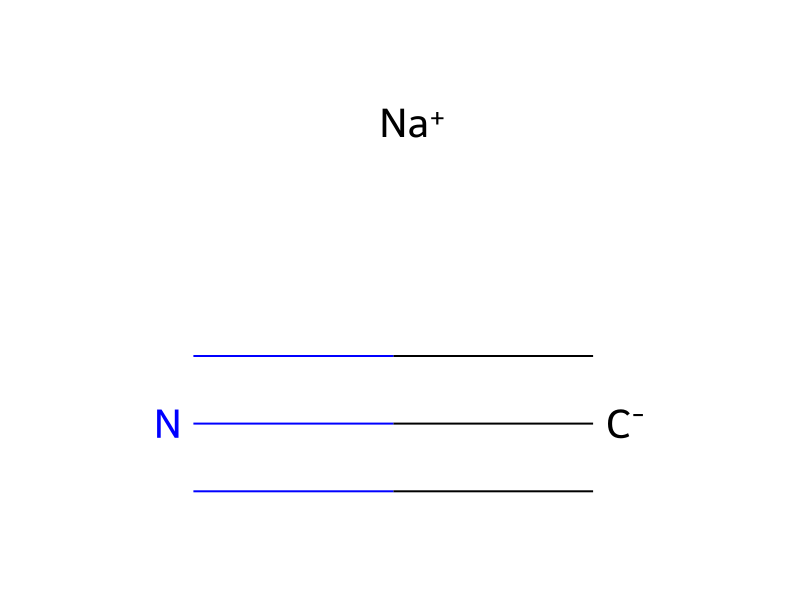
[CH:1]([N:14]1[CH2:17][C:16](=O)[CH2:15]1)([C:8]1[CH:13]=[CH:12][CH:11]=[CH:10][CH:9]=1)[C:2]1[CH:7]=[CH:6][CH:5]=[CH:4][CH:3]=1.[CH2:19]([NH2:26])[C:20]1[CH:25]=[CH:24][CH:23]=[CH:22][CH:21]=1.C(O)(=O)C.[C-:31]#[N:32].[Na+]>CO>[CH:1]([N:14]1[CH2:17][C:16]([NH:26][CH2:19][C:20]2[CH:25]=[CH:24][CH:23]=[CH:22][CH:21]=2)([C:31]#[N:32])[CH2:15]1)([C:8]1[CH:13]=[CH:12][CH:11]=[CH:10][CH:9]=1)[C:2]1[CH:7]=[CH:6][CH:5]=[CH:4][CH:3]=1To a solution of 1-benzhydrylazetidin-3-one (3.3 g, 14 mmol) in methanol (35 ml) was added benzylamine (1.6 ml, 15 mmol) and then acetic acid (0.88 ml, 15 mmol) at room temperature. After stirring for 45 minutes, solid NaCN (0.76 g, 15 mmol) was added in portions over 2 minutes and the mixture was heated to reflux overnight. The reaction, which now contained a precipitate, was cooled and then stirred at room temperature. The solid were collected by vacuum filtration, rinsed with a small volume of cold methanol, and then dried, in vacuo, to give I-(13A-9)a as a solid (3.56 g, 72%): +ACPI MS (M+1) 354.4; 1H NMR (400 MHz, CD3OD) δ 7.40 (d, J=7.5 Hz, 4H), 7.35 (d, J=7.5 Hz, 2H), 7.31–7.20 (m, 7H), 7.16 (t, J=7.3 Hz, 2H), 4.44 (s, 1H), 3.76 (s, 2H), 3.48 (d, J=8.3 Hz, 2H), 3.05 (d, J=8.3 Hz, 2H).