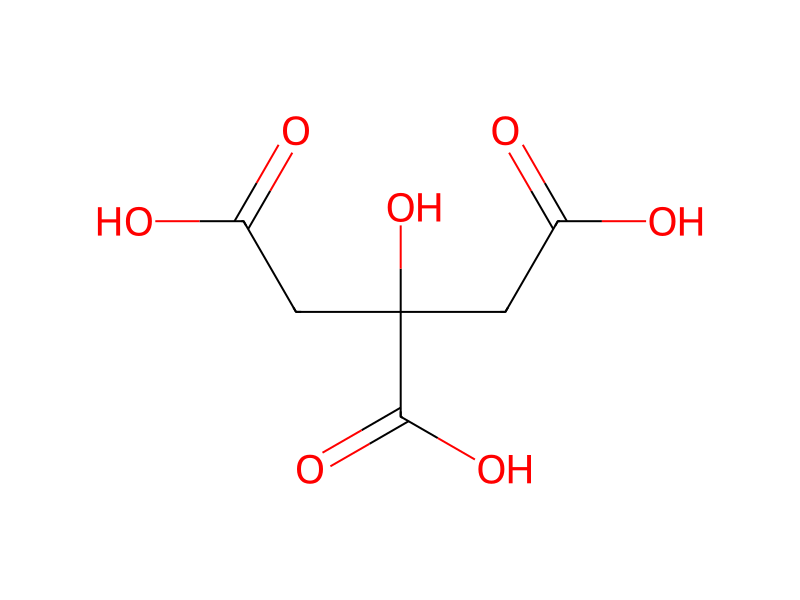
Citric Acid → ethyl 1-({2-[2-fluoro-3-(trifluoromethyl)phenyl]-1,3-oxazol-4-yl}methyl)-1H-pyrazole-4-carboxylate
HRID 1257412
Reaktionsgleichung

[H-].[Na+].[NH:3]1[CH:7]=[C:6]([C:8]([O:10][CH2:11][CH3:12])=[O:9])[CH:5]=[N:4]1.Cl[CH2:14][C:15]1[N:16]=[C:17]([C:20]2[CH:25]=[CH:24][CH:23]=[C:22]([C:26]([F:29])([F:28])[F:27])[C:21]=2[F:30])[O:18][CH:19]=1.C(O)(=O)CC(CC(O)=O)(C(O)=O)O>CN(C)C=O.C(OCC)(=O)C>[F:30][C:21]1[C:22]([C:26]([F:29])([F:27])[F:28])=[CH:23][CH:24]=[CH:25][C:20]=1[C:17]1[O:18][CH:19]=[C:15]([CH2:14][N:3]2[CH:7]=[C:6]([C:8]([O:10][CH2:11][CH3:12])=[O:9])[CH:5]=[N:4]2)[N:16]=1Komponenten
7