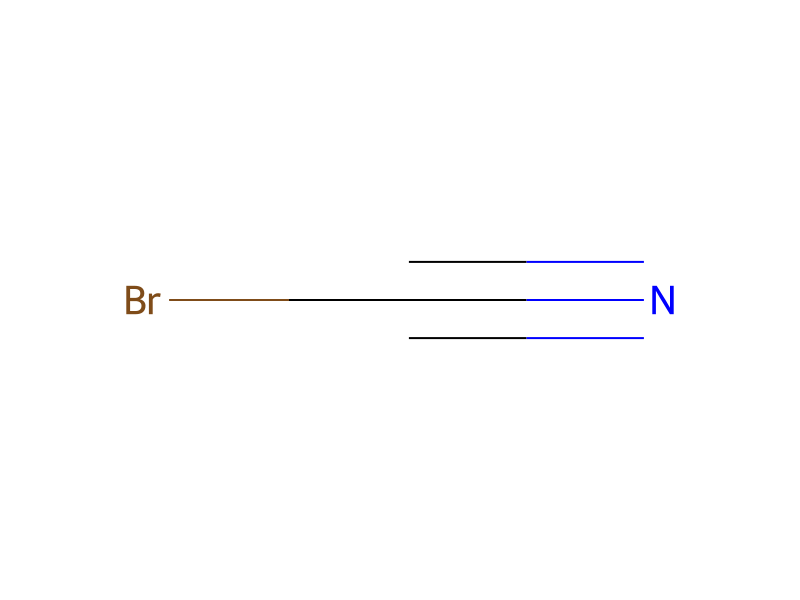
[CH2:1]([O:8][C:9]1[C:10]([O:21][CH3:22])=[C:11]([C:13]([C:16]2[NH:17][CH2:18][CH2:19][N:20]=2)=[CH:14][CH:15]=1)[NH2:12])[C:2]1[CH:7]=[CH:6][CH:5]=[CH:4][CH:3]=1.[CH2:23]([N:25](CC)CC)C.N#CBr>C(Cl)Cl.C(=O)(O)[O-].[Na+]>[CH2:1]([O:8][C:9]1[CH:15]=[CH:14][C:13]2[C:16]3[N:20]([CH2:19][CH2:18][N:17]=3)[C:23]([NH2:25])=[N:12][C:11]=2[C:10]=1[O:21][CH3:22])[C:2]1[CH:3]=[CH:4][CH:5]=[CH:6][CH:7]=1A mixture of 3-(benzyloxy)-6-(4,5-dihydro-1H-imidazol-2-yl)-2-methoxyaniline (100 g, 336 mmol) and triethylamine (188 mL) in DCM (3 L) was cooled to 0° C. and treated with cyanogen bromide (78.4 g, 740 mmol). The reaction mixture was stirred and allowed to warm to room temperature gradually. After 16 h the reaction mixture was diluted with a solution of saturated sodium bicarbonate and extracted with DCM. The organic layer was washed 3 times with saturated bicarbonate solution followed by multiple washes with brine. The organic layer was dried (sodium sulfate) and concentrated under reduced pressure to give a semi solid (130 g with triethylamine salt contamination): 1H NMR (DMSO-d6) δ: 7.30-7.48 (7H, m), 5.31 (2H, s), 4.32 (2H, m), 4.13 (2H, m), 3.81 (3H, s).
Wird geladen…