1,3-Dichloropropane → 9-(3-Chloropropyl)-9-cyanofluorene
Reaktionsgleichung

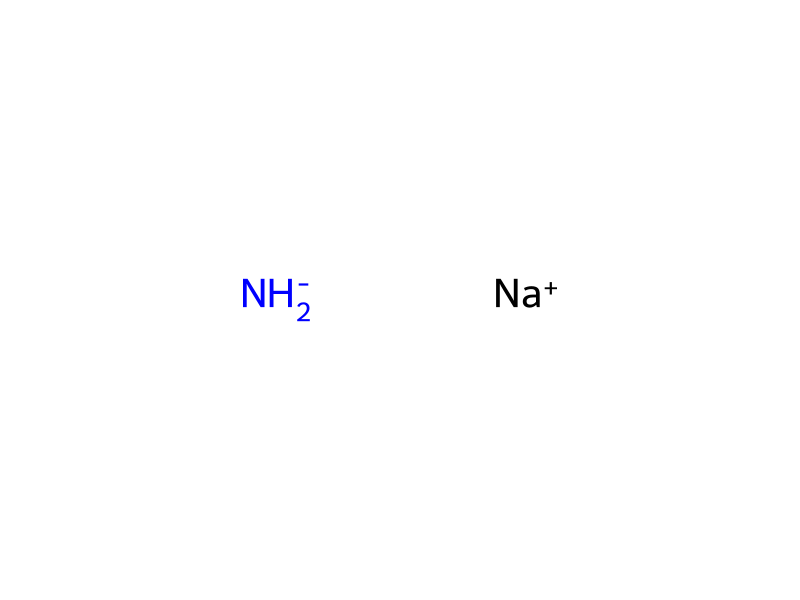
[C:1]([CH:3]1[C:15]2[CH:14]=[CH:13][CH:12]=[CH:11][C:10]=2[C:9]2[C:4]1=[CH:5][CH:6]=[CH:7][CH:8]=2)#[N:2].[NH2-].[Na+].[Cl:18][CH2:19][CH2:20][CH2:21]Cl>>[Cl:18][CH2:19][CH2:20][CH2:21][C:3]1([C:1]#[N:2])[C:15]2[CH:14]=[CH:13][CH:12]=[CH:11][C:10]=2[C:9]2[C:4]1=[CH:5][CH:6]=[CH:7][CH:8]=2Komponenten



Versuchsvorschrift
9-cyanofluorene was reacted with sodium amide and 1,3-dichloropropane to give 9-(3-chloropropyl)-9-cyanofluorene. A solution of 10.0 g. of 9-(3-chloropropyl)-9-cyanofluorene in 200 ml. of morpholine containing 2.0 g. of potassium iodide was stirred at 160° C. for sixteen hours. After cooling the reaction mixture to room temperature, the solution was diluted with 500 ml. of water, and the aqueous mixture was extracted several times with ethylacetate. The organic extracts were combined, washed with water, and the product was extracted therefrom into 0.6N hydrochloric acid. The aqueous acid layer was separated and made alkaline by the addition of 10 percent sodium hydroxide solution. The alkaline solution was extracted with fresh ethyl acetate, and the extracts were combined, washed with water and dried. Removal of the solvent by evaporation under reduced pressure provided 9-(3-morpholinopropyl)-9-cyanofluorene.
Quellen und Nachweise
- ORD-Eintrag
- ord-be5785e0014346b5aa8d820c2856ca94
- Quelldatensatz
- uspto-grants-1984_06
- Patentnummer
- US04452745
Notizen zur Reaktion
Wird geladen…