StartseiteMCPWorkbenchSkills
StartseiteWorkbenchBenachrichtigungenMein Bereich
llms.txt · MCP-AnleitungDatenschutz · Nutzungsbedingungen · Supportv1.8.3
  1. Startseite
  2. /Reaktion

Hydrogen Peroxide → 4-Propylpicolinonitrile

HRID 1269087
Drucken

Reaktionsgleichung

Reaktionsgleichung von HRID 1269087
[CH2:1]([C:4]1[CH:9]=[CH:8][N:7]=[CH:6][CH:5]=1)[CH2:2][CH3:3].OO.C[Si]([C:16]#[N:17])(C)C.CN(C)C(Cl)=O>C(=O)([O-])[O-].[K+].[K+]>[CH2:1]([C:4]1[CH:9]=[CH:8][N:7]=[C:6]([C:16]#[N:17])[CH:5]=1)[CH2:2][CH3:3]
KomponentenVersuchsvorschriftAufarbeitungQuellen und NachweiseNotizen zur Reaktion

Komponenten

6

Edukt 4

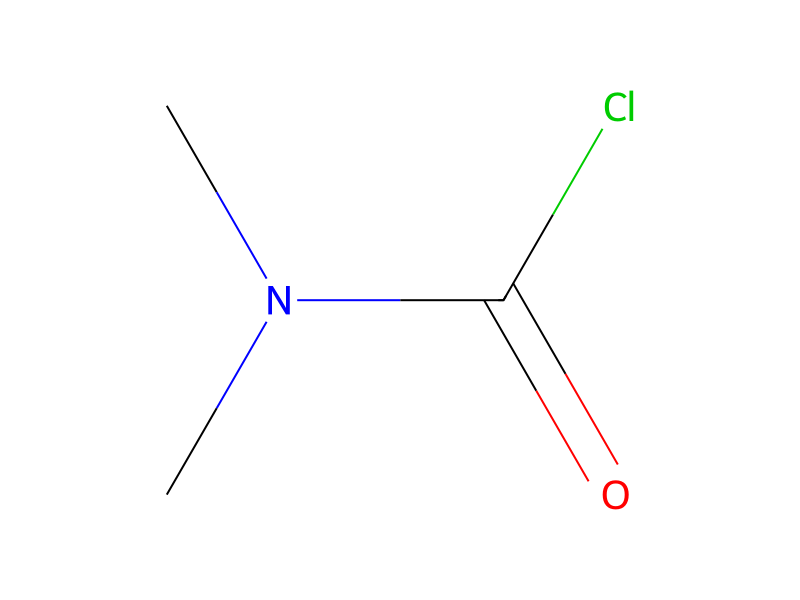
HCID 784Hydrogen PeroxideHCID 6598Dimethylcarbamoyl ChlorideHCID 707384-PropylpyridineHCID 82115Trimethylsilyl cyanide

Produkt 1

HCID 230032234-PropylpicolinonitrileAusbeute 93 %

Reagenzien, Katalysatoren, Lösungsmittel 1

HCID 11430
Potassium Carbonate
Lösungsmittel

Versuchsvorschrift

To 4-propylpyridine (2.5 g, 20 mmol), 30% hydrogen peroxide (2.4 g) was added and refluxed overnight. The solvent was removed and the resulting residue was taken in DCM (30 mL). Trimethylsilyl cyanide (2.6 g, 26 mmol) was added to the above solution followed by dimethylcarbamyl chloride (2.8 g, 26 mmol), and the reaction mixture was stirred at rt overnight. Potassium carbonate (10%, 100 mL) was added. The organic layer was separated, dried over sodium sulfate and then concentrated to obtain 4-propyl-2-cyanopyridine (2.5 g, 93%). The crude nitrile was dissolved in aqueous hydrochloric acid (6N, 60 mL) and refluxed overnight. The 4-propyl-2-carboxylic acid pyridine 10b (R9=propyl) was obtained after crystallization from acetonitrile (2 g, 71%).

Aufarbeitung

  1. temperaturerefluxed overnight
  2. customThe solvent was removed
  3. customThe organic layer was separated
  4. dry with materialdried over sodium sulfate
  5. concentrationconcentrated

Quellen und Nachweise

ORD-Eintrag
ord-4d4a836c52ee4dcb88681a2a18e35bb3
Quelldatensatz
uspto-grants-2007_04
DOI
10.6084/m9.figshare.5104873.v1
Patentnummer
US07199105B2

Notizen zur Reaktion

Auf dieser SeiteKomponentenVersuchsvorschriftAufarbeitungQuellen und NachweiseNotizen zur Reaktion