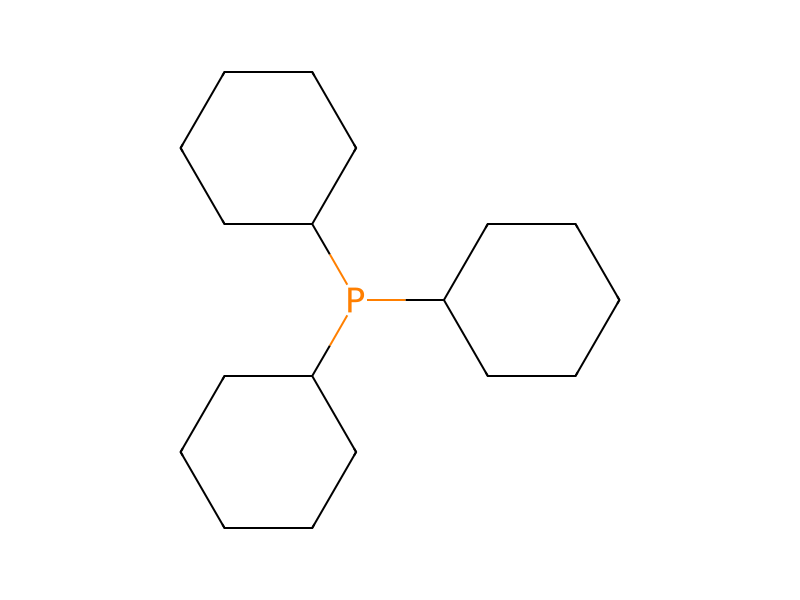
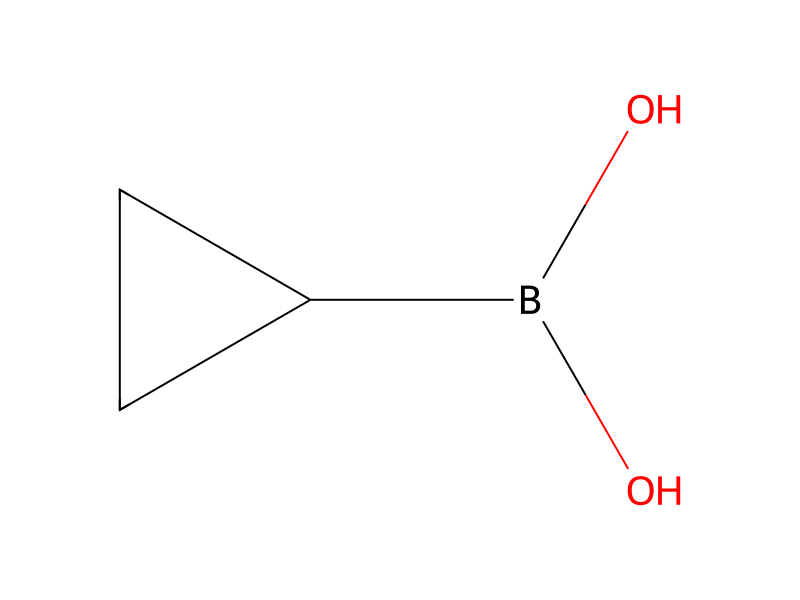
2-Chloro-4-bromo-5-methyl-6-fluoroaniline (6.5 g, 27 mmol), cyclopropylboronic acid (2.8 g, 33 mmol), tetrakis (triphenylphosphine)palladium (0) (1.4 g, 1.3 mmol), potassium phosphate (20.2 g, 95 mmol) and tricyclohexylphosphine (0.77 g, 2.7 mmol) are combined and stirred in 200 mL of a 4:1 DME/water solution. The mixture is degassed by repeated alternating application of vacuum and positive nitrogen pressure (10×). The mixture is heated to reflux temperature for 2 days and then cooled to room temperature. Most of the DME is removed by rotary evaporator and the residual mixture is partitioned between Et2O (250 mL) and water (250 mL). The organic phase is washed with brine (3×250 mL), dried (MgSO4) and concentrated by rotary evaporator. The crude product is purified using flash chromatography (8% CH2Cl2/hexanes) to give 2-chloro-4-cyclopropyl-5-methyl-6-fluoroaniline as a tan oil.