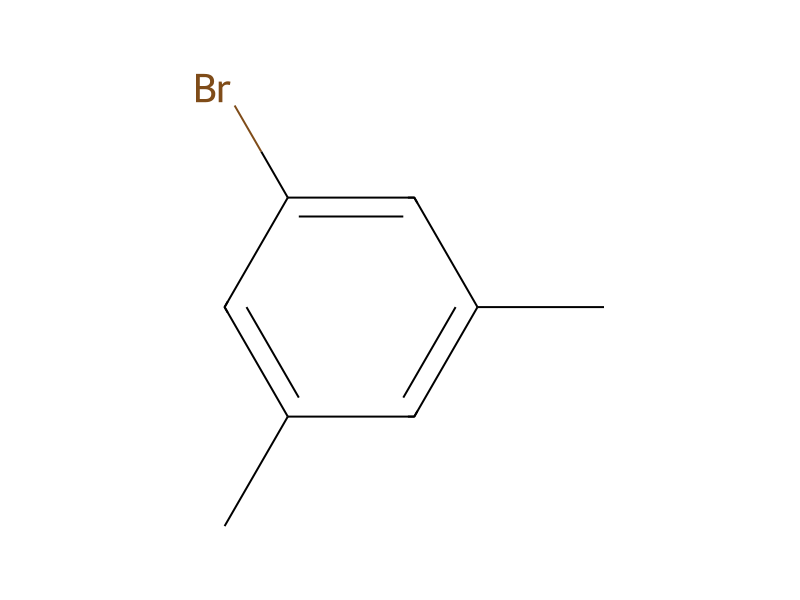
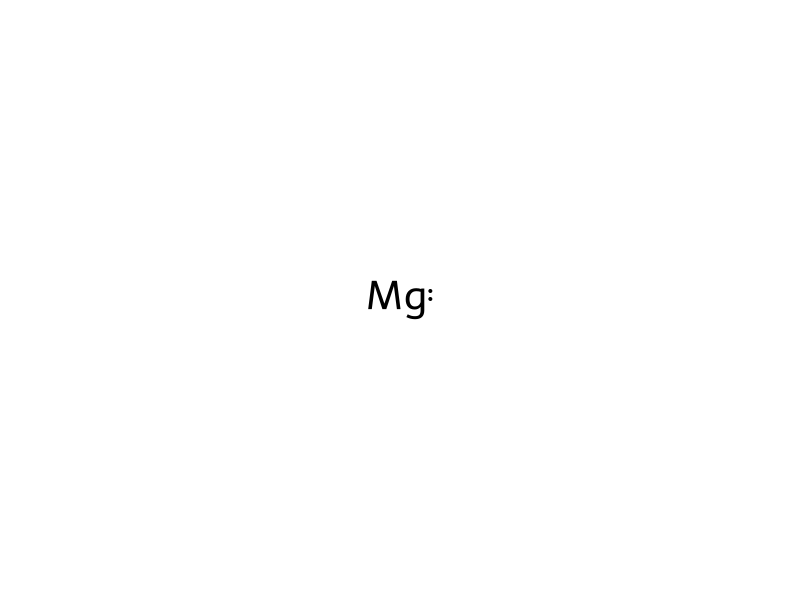
Under an argon atmosphere, a solution of magnesium (25 g, 0.95 equivalent) and a small amount of iodine in THF (250 mL) was stirred at room temperature for 1 hr. 5-Bromo-m-xylene (200 g, 1.08 moL) was added at 48° C., and the mixture was stirred at 5° C. for 1 hr. Diethyl phosphite (78.3 g, 0.52 equivalent) was added at 5° C., and the mixture was stirred at 5° C. for 2 hrs. Water (200 mL) was added at 3° C., and toluene (200 mL) and 6M-HCl (160 mL) were added. The mixture was stirred at room temperature for 30 min. The reaction mixture was partitioned, and the organic layer was washed successively with water (100 mL), 5% aqueous NaHCO3 solution (100 mL) and 5% aqueous NaCl solution (100 mL). The organic layer was dried over anhydrous magnesium sulfate and filtered by gravity. The filtrate was concentrated under reduced pressure and the residue was recrystallized from diisopropyl ether-heptane to give the title compound (43.3 g, white crystals). yield 33.3%.