4-Aminopyridine → 3-(4-Pyridyl)-3-azaspiro[5,5]undecan-2,4-dione
HRID 127278
Reaktionsgleichung

[CH2:1]1[CH2:6][CH2:5][CH2:4][CH2:3][C:2]21[CH2:12][C:11](=[O:13])[O:10][C:8](=O)[CH2:7]2.[NH2:14][C:15]1[CH:20]=[CH:19][N:18]=[CH:17][CH:16]=1.C1(C)C(C)=CC=CC=1>O>[N:18]1[CH:19]=[CH:20][C:15]([N:14]2[C:8](=[O:10])[CH2:7][C:2]3([CH2:1][CH2:6][CH2:5][CH2:4][CH2:3]3)[CH2:12][C:11]2=[O:13])=[CH:16][CH:17]=1Komponenten
5
Edukt 3
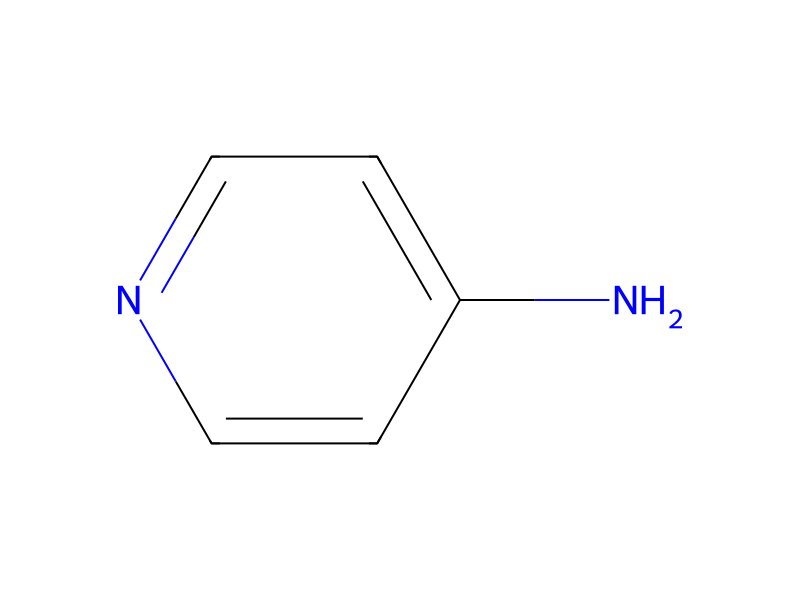


Produkt 1

Reagenzien, Katalysatoren, Lösungsmittel 1

Versuchsvorschrift
The starting material is prepared as follows: The mixture of 25 g of 2,2-cyclohexane diacetic anhydride, 12.92 g of 4-aminopyridine, and 400 ml of xylene is refluxed for 25 hours using a water separator. The hot, supernatant xylene solution is decanted from an oil precipitate (which is discarded), cooled, filtered and the residue recrystallized from ethanol, to yield the 3-(4-pyridyl)-3-azaspiro[5,5]undecan-2,4-dione melting at 213°-215°.