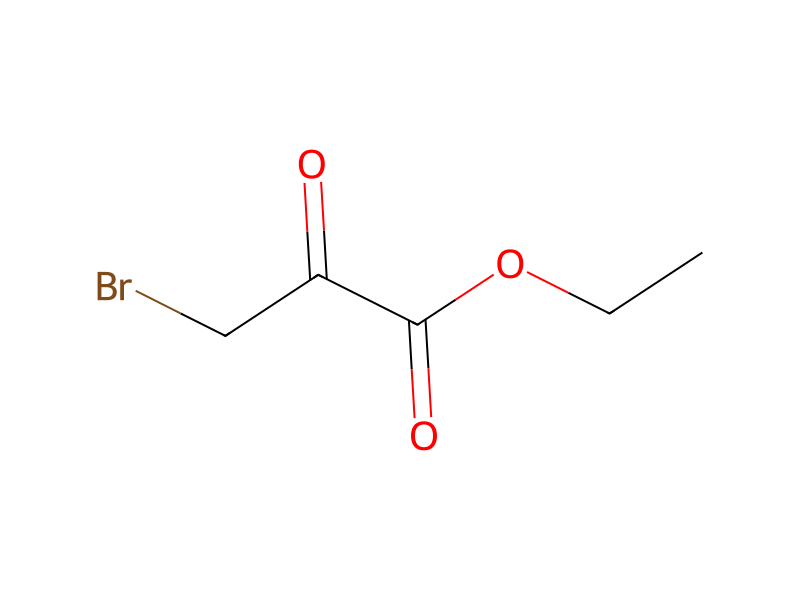
[NH2:1][C:2]1[CH:11]=[CH:10][C:9]2[C:4](=[CH:5][CH:6]=[CH:7][C:8]=2[Cl:12])[N:3]=1.Br[CH2:14][C:15](=O)[C:16]([O:18][CH2:19][CH3:20])=[O:17].C1OC1C.CCOCC>C(COC)OC>[Cl:12][C:8]1[CH:7]=[CH:6][CH:5]=[C:4]2[C:9]=1[CH:10]=[CH:11][C:2]1[N:3]2[CH:14]=[C:15]([C:16]([O:18][CH2:19][CH3:20])=[O:17])[N:1]=1140 mg of 2-amino-5-chloroquinoline were dissolved in 2.5 ml of dimethoxyethane and then a mixture of 170 mg of ethyl bromopyruvate and 30 mg of propylene oxide was added. The mixture was stirred at room temperature for 2 hours and 2 ml of ether were added. Then, the mixture was cooled in ice and the precipitated quaternary salt was filtered off, was dissolved in 5 ml of ethanol and the solution was heated at reflux for 2 hours. Then, the solvent was removed under vacuum and the residue was partitioned between sodium bicarbonate solution and chloroform. The chloroform solution was dried over magnesium sulfate and was evaporated to dryness. The residue was chromatographed over silica with chloroform as eluent and the purified product was recrystallized from ethyl acetate/petroleum ether to obtain colorless needles of ethyl 6-chloroimidazo-[1,2-a]-quinoline-2-carboxylate melting at 193°-194° C.