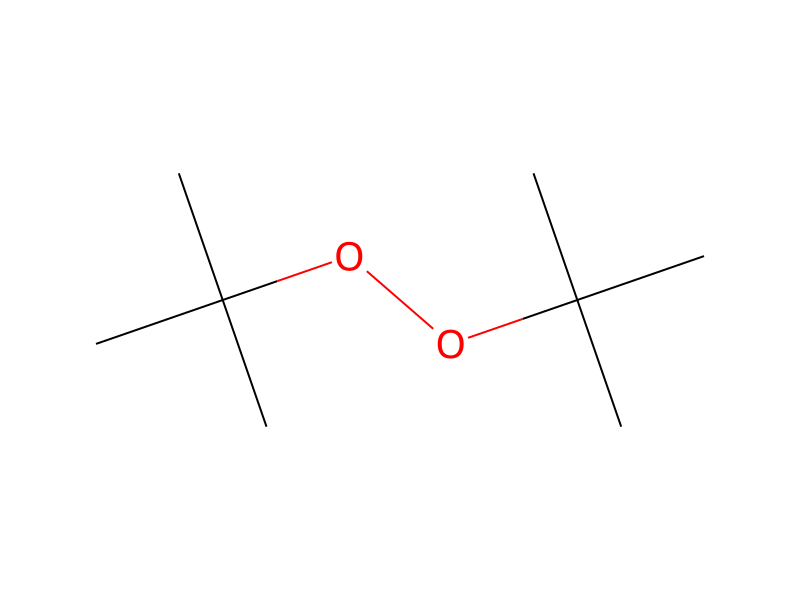
To diphenylphosphine (18.0 g, 0.097 mol) heated to 140° C under a nitrogen atmosphere, a mixture of allyl triethoxysilane (19.8 g, 0.97 mol) and di-t-butyl peroxide (1.86 g) is added during 3/4 hour. Heating is continued for 1 hour after the addition is complete. Analysis of the liquid shows the presence of unreacted phosphine and allyl silane, so di-t-butyl peroxide (2.0 g) is added and heating continued 2 hours more. This analysis, addition, and heating is repeated once more, after which only a trace of diphenylphosphine is present. The liquid reaction mixture is distilled giving the product (11.2 g, 30 percent yield), b.p. 180- 184° C/0.7 mm, nD27 1.5340.