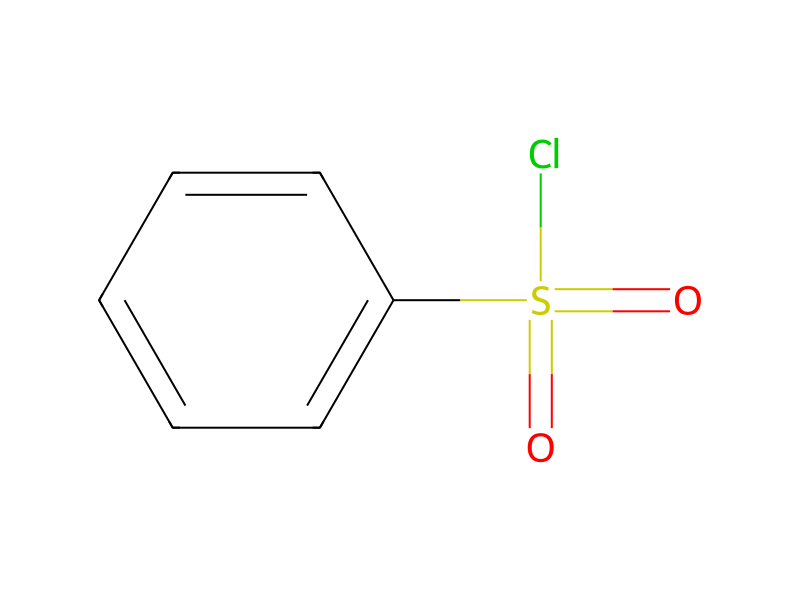
C(OC([NH:11][CH2:12][CH:13]1[CH2:21][C:20]2[C:15](=[CH:16][CH:17]=[C:18]([CH2:22][C:23]([O:25][CH2:26][CH3:27])=[O:24])[CH:19]=2)[CH2:14]1)=O)C1C=CC=CC=1.O.C(=O)([O-])[O-].[K+].[K+].[C:35]1([S:41](Cl)(=[O:43])=[O:42])[CH:40]=[CH:39][CH:38]=[CH:37][CH:36]=1>CO.[C].[Pd]>[C:35]1([S:41]([NH:11][CH2:12][CH:13]2[CH2:21][C:20]3[C:15](=[CH:16][CH:17]=[C:18]([CH2:22][C:23]([O:25][CH2:26][CH3:27])=[O:24])[CH:19]=3)[CH2:14]2)(=[O:43])=[O:42])[CH:40]=[CH:39][CH:38]=[CH:37][CH:36]=1Dissolved in 30 ml of methanol were 1.80 g (4.90 mmol) of ethyl [2-(benzyloxycarbonylaminomethyl)indan-5-yl]acetate, and 500 mg of 10% palladium-carbon were added to the solution, followed by stirring for 2 hours under a hydrogen atmosphere. The catalyst was separated by filtration, and the filtrate was concentrated. The resultant residue was dissolved in 15 ml of ethyl acetate, and 10 ml of water and 1.18 g (8.51 mmol) of potassium carbonate were added to the solution. While vigorously stirring, 902 mg (5.11 mmol) of benzenesulfonyl chloride were then added dropwise. After the addition, the mixture was stirred for 1 hour, and an organic layer separated was taken out, dried and then concentrated under reduced pressure. The residue was purified by column chromatography on silica gel (chloroform) to obtain 1.78 g of a colorless oily substance. Yield: 97%.