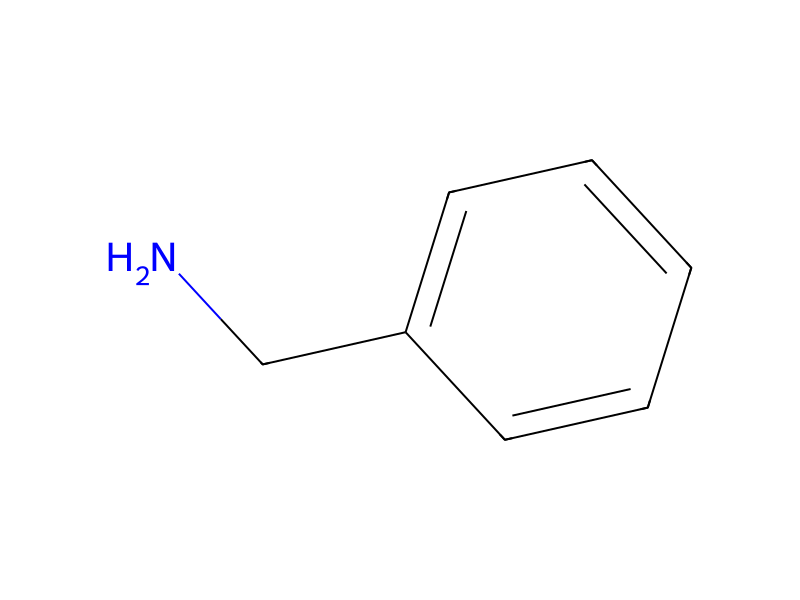
C([O:4][C:5]1[CH:10]=[CH:9][C:8]([C:11]([O:13][CH:14]([C:23]([F:26])([F:25])[F:24])[CH2:15][CH2:16][CH2:17][CH2:18][CH2:19][O:20][CH2:21][CH3:22])=[O:12])=[C:7]([F:27])[CH:6]=1)(=O)C.C(O)C.C(N)C1C=CC=CC=1>O>[OH:4][C:5]1[CH:10]=[CH:9][C:8]([C:11]([O:13][CH:14]([C:23]([F:24])([F:25])[F:26])[CH2:15][CH2:16][CH2:17][CH2:18][CH2:19][O:20][CH2:21][CH3:22])=[O:12])=[C:7]([F:27])[CH:6]=1A reactor was charged with 1 g of 4-acetoxy-2-fluoro-1-(6-ethoxy-1-trifluoromethylhexyloxycarbonyl)-benzene, 15 ml of ethanol and 0.6 g of benzylamine, and the mixture was stirred at room temperature for 5 hours. After the reaction, the reaction mixture solution was poured into water and subjected to extraction with dichloromethane. An organic layer was consecutively washed with a hydrochloric acid aqueous solution and with water, and dried over anhydrous sodium sulfate. The solvent was removed to give a crude 4-hydroxy-2-fluoro-1-(6-ethoxy-1-trifluoromethylhexyloxycarbonyl)benzene. This product was analyzed by thin film chromatography to show that benzylacetamide was co-present in addition to the end product.