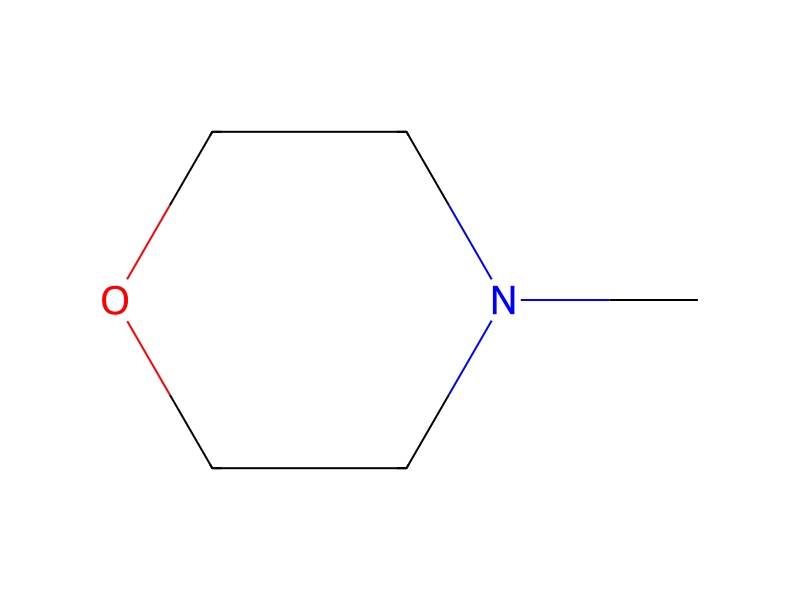
[CH3:1][C@H:2]1[NH:7][C@@H:6]([CH3:8])[CH2:5][N:4]([C:9]2[CH:10]=[CH:11][C:12]([O:16][CH3:17])=[C:13]([CH:15]=2)[NH2:14])[CH2:3]1.CN1CCOCC1.[Br:25][C:26]1[CH:31]=[CH:30][C:29]([S:32](Cl)(=[O:34])=[O:33])=[C:28]([F:36])[CH:27]=1>ClCCl>[Br:25][C:26]1[CH:31]=[CH:30][C:29]([S:32]([NH:14][C:13]2[CH:15]=[C:9]([N:4]3[CH2:3][C@H:2]([CH3:1])[NH:7][C@H:6]([CH3:8])[CH2:5]3)[CH:10]=[CH:11][C:12]=2[O:16][CH3:17])(=[O:33])=[O:34])=[C:28]([F:36])[CH:27]=1A solution of 5-(cis-3,5-dimethyl-1-piperazinyl)-2-(methyloxy)aniline (D4) (1.20 g, 5.09 mmol) in dichloromethane (35 ml) was treated with morpholinomethyl-polystyrene HL resin (2.43 g, 4.2 mmol/g loading, 10.2 mmol) followed by 4-bromo-2-fluorobenzenesulfonyl chloride (2.79 g, 10.2 mmol). The resulting solution was stirred at room temperature overnight, the resin was then filtered off, the solvent evaporated in vacuo and the residue was then passed through an SCX column eluting first with methanol and then by 2M ammonia in methanol. The basic fractions were combined and solvent evaporated in vacuo to afford a crude product which was dry loaded onto a column and purified further by chromatography using a Flashmaster and an elution gradient of 0 to 10% methanol in dichloromethane The relevant fractions were collected, combined and solvent evaporated to afford the title compound (E103). MS (ES+) m/e 472/474 [M+H]+.