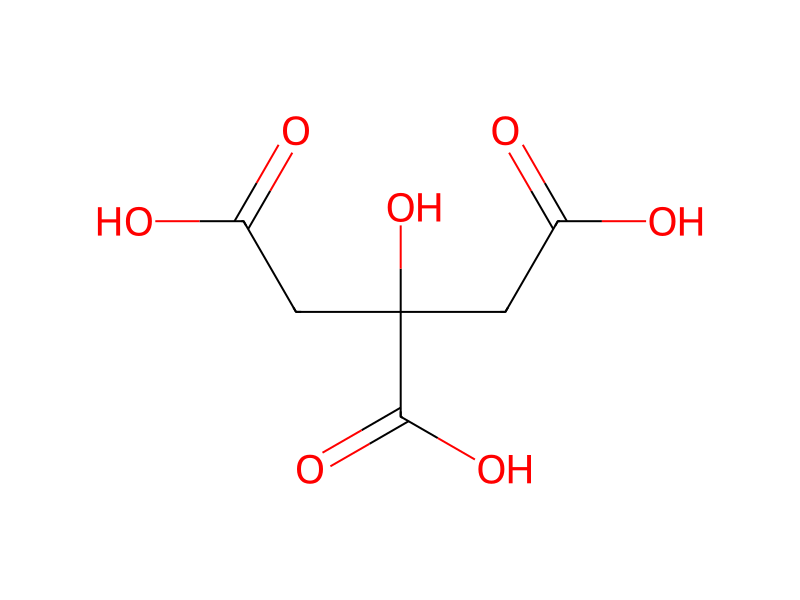
CO[C:3]1[C:8]([Cl:9])=[N:7][C:6](Cl)=[C:5]([C:11]([OH:13])=[O:12])[N:4]=1.[Cl:14][C:15]1[CH:16]=[C:17]([CH:20]=[CH:21][C:22]=1[O:23][CH3:24])[CH2:18][NH2:19].[CH2:25](N(CC)CC)C.C1(C)C=CC=CC=1>C(O)(=O)CC(CC(O)=O)(C(O)=O)O>[CH3:25][O:13][C:11]([C:5]1[C:6]([NH:19][CH2:18][C:17]2[CH:20]=[CH:21][C:22]([O:23][CH3:24])=[C:15]([Cl:14])[CH:16]=2)=[N:7][C:8]([Cl:9])=[CH:3][N:4]=1)=[O:12]A mixture of 2-methoxycarboxy-3,5-dichloropyrazine (prepared in the above (2)) 234 mg, 3-chloro-4-methoxybenzylamine 204 mg, triethylamine 0.17 ml and anhydrous toluene 3 ml is stirred for 7 hours at room temperature. The reaction mixture is diluted with a 10% aqueous citric acid solution and the solution is extracted with ethyl acetate. The extract is washed with water and an aqueous saturated sodium chloride solution, dried over sodium sulfate and concentrated in vacuo. The residue is purified and separated with silica gel chromatography (silica gel 5 mg, solvent; hexane:chloroform=1:1) and then the desired fraction is concentrated in vacuo to give 2-methoxycarbonyl-3-(3-chloro-4-methoxybenzylamino)-5-chloropyrazine as a pale yellow crystalline powder 102 mg.