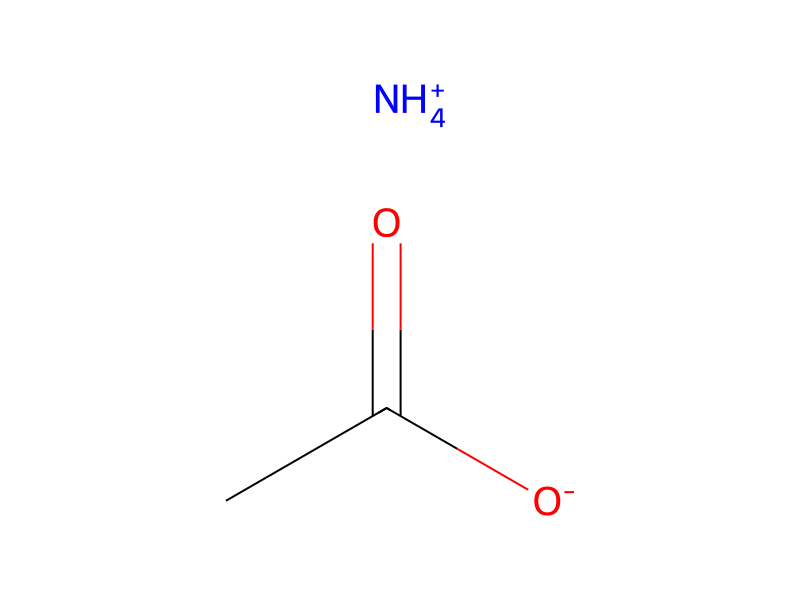
Ammonium Acetate → 4-Amino-1-[2-(6-methoxy-quinazolin-4-yl)-ethyl]-cyclohexanol
HRID 1354209
Reaktionsgleichung

C([O-])(=O)C.[NH4+:5].C(O[BH-](OC(=O)C)OC(=O)C)(=O)C.[Na+].[OH:20][C:21]1([CH2:28][CH2:29][C:30]2[C:39]3[C:34](=[CH:35][CH:36]=[C:37]([O:40][CH3:41])[CH:38]=3)[N:33]=[CH:32][N:31]=2)[CH2:26][CH2:25][C:24](=O)[CH2:23][CH2:22]1>CO>[NH2:5][CH:24]1[CH2:25][CH2:26][C:21]([CH2:28][CH2:29][C:30]2[C:39]3[C:34](=[CH:35][CH:36]=[C:37]([O:40][CH3:41])[CH:38]=3)[N:33]=[CH:32][N:31]=2)([OH:20])[CH2:22][CH2:23]1Komponenten
5