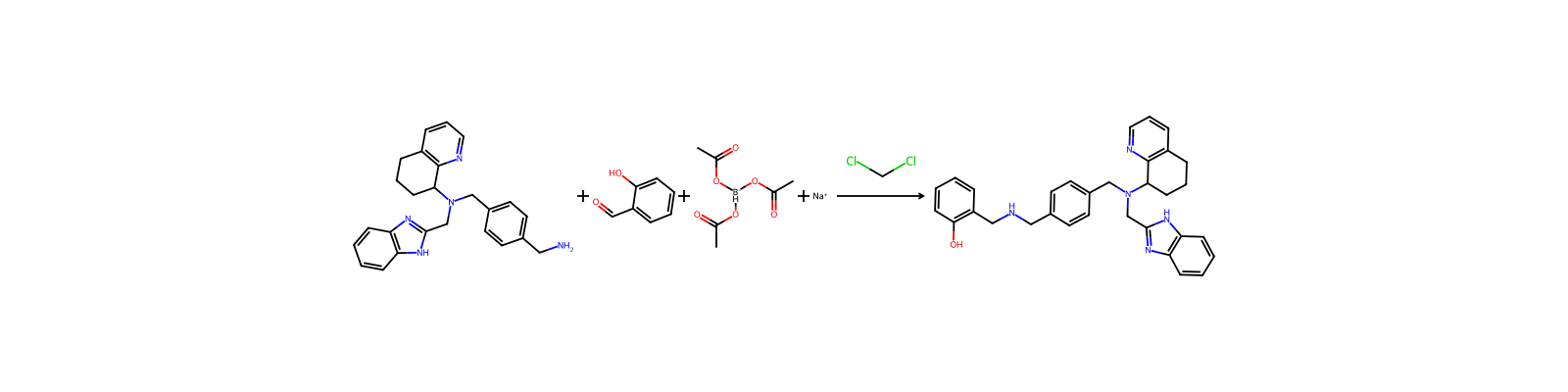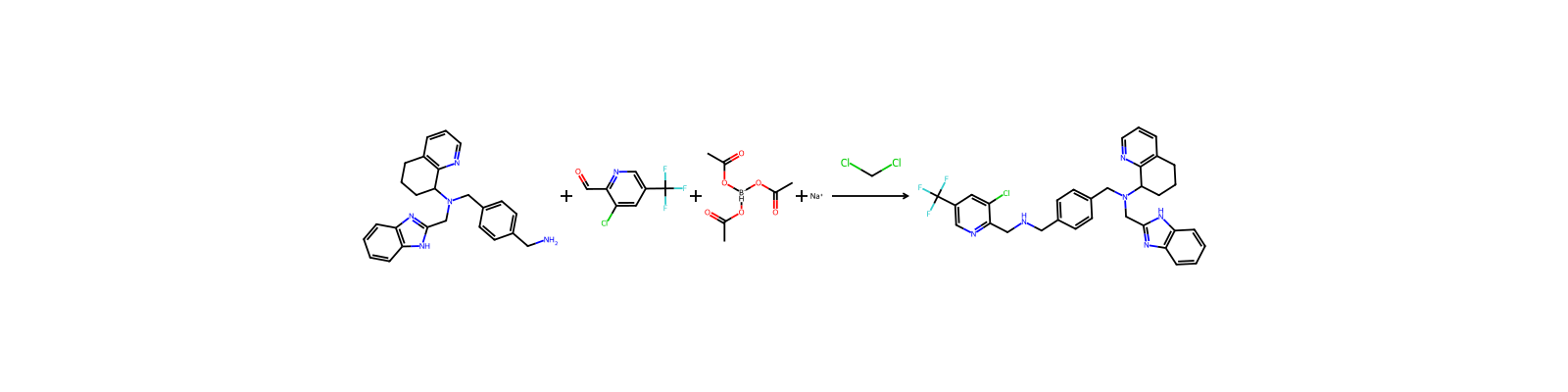
HRID 1023als Edukt

56553-60-7CC(=O)O[BH-](OC(C)=O)OC(C)=O.[Na+]HHYFEYBWNZJVFQ-UHFFFAOYSA-N56553-60-7DTXSID8074368Sicherheitsangaben dienen nur zur Orientierung und ersetzen weder das Sicherheitsdatenblatt (SDB) des Lieferanten noch geltende Vorschriften oder eine fachliche Bewertung.
Danger
H228 (38.3%): Flammable solid [Danger Flammable solids]
P203, P210, P223, P231+P232, P240, P241, P260, P261, P264, P264+P265, P271, P280, P301+P330+P331, P302+P335+P334, P302+P352, P302+P361+P354, P304+P340, P305+P354+P338, P316, P317, P318, P319, P321, P332+P317, P362+P364, P363, P370+P378, P402+P404, P403+P233, P405, and P501 (click each P-code to see the statement)
Aggregated GHS information provided per 235 reports by companies from 20 notifications to the ECHA C&L Inventory. Each notification may be associated with multiple companies.
REACH registered substance: sodium bis(acetyloxy)boranuidyl acetate (EC: 435-580-8)
Borate(1-), tris(acetato-.kappa.O)hydro-, sodium, (T-4)-: Does not have an individual approval but may be used under an appropriate group standard
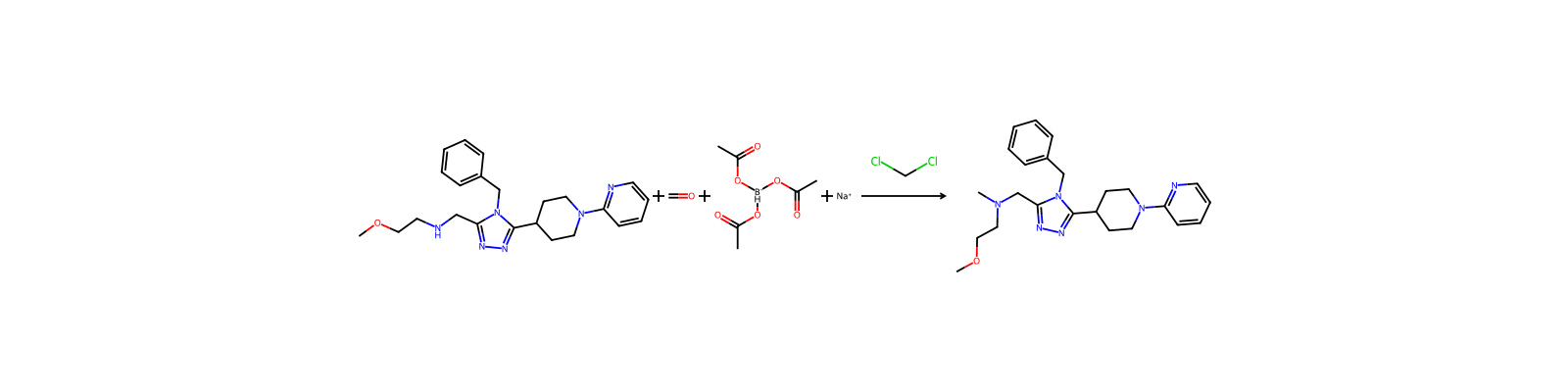
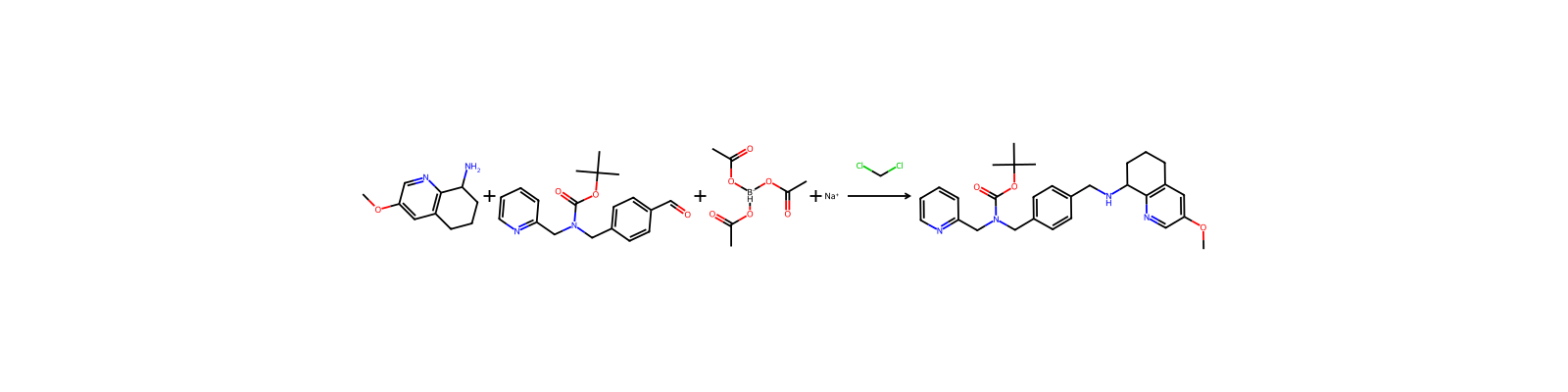
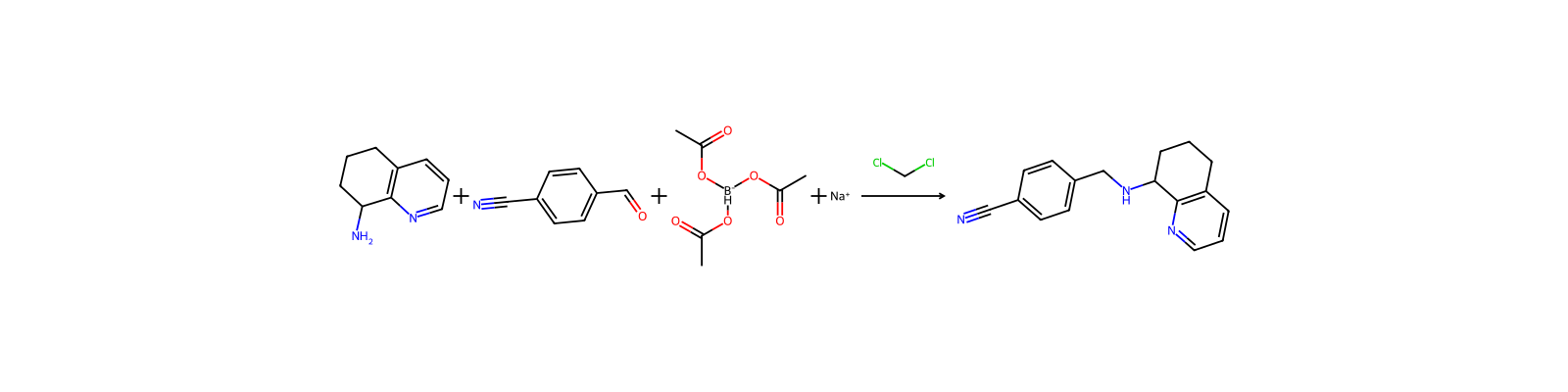
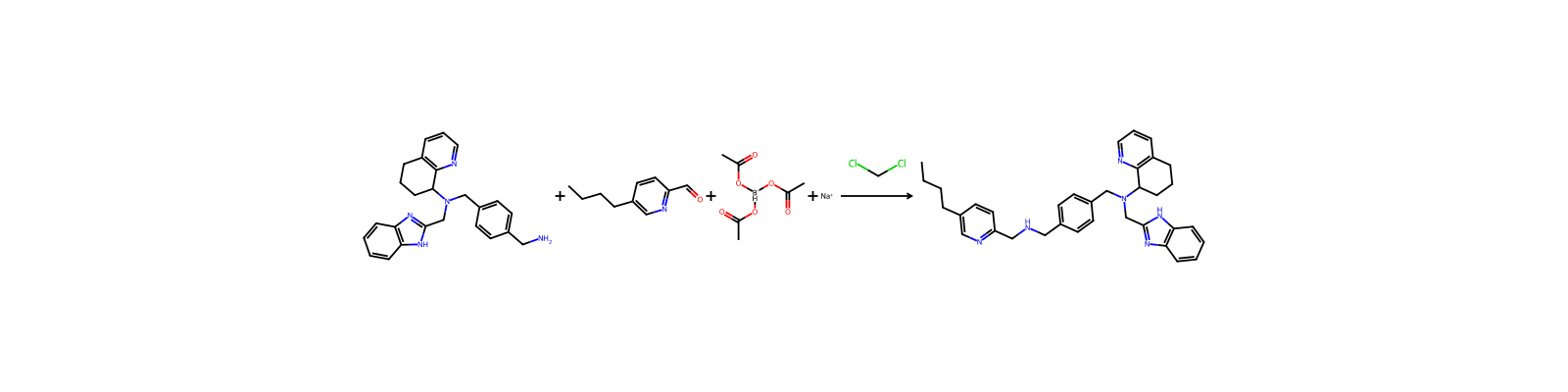
VerwendenSodium Triacetoxyborohydride(STAB) is a hydride reagent used in stereoselective reductive amination. It is able to replace toxic sodium cyanoborohydride under most conditions. It is selective in reducing aldehydes to alcohols in the presence of ketones. STAB is also stable in anhydrous acids, which enables reductive amination of aldehydes and ketones. It used in reductive amination of ketones and aldehydes and reductive amination/lactamization of carbonyl compounds with amines. The advantage of STAB compared to sodium cyanoborohydride is evident. STAB, being non-toxic, is easier to handle and forms no toxic by-products, making the treatment of process waste after the reaction simple and less costly.