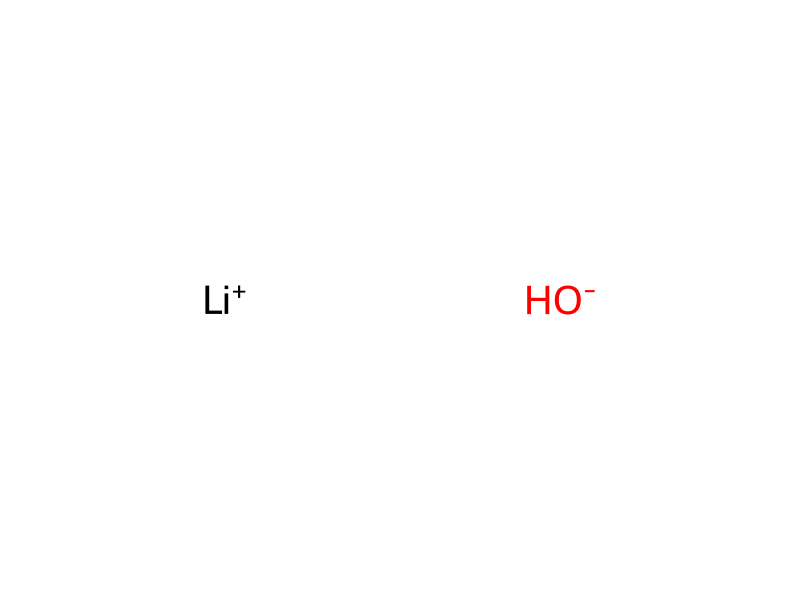
Acetic acid 2-acetylamino-5-nitro-phenyl ester (416) (21 g, 88.2 mmol) was suspended in MeOH (185 mL) and 2M aqueous LiOH (185 mL) was added. An instantaneous reaction occurred, the solution turned red, everything dissolved and a slight exothermic reaction was felt by the warmth of the flask. TLC (Rf: 0.55 compared to Rf: 0.45 for compound 416 in EtOAc) after 10 minutes indicated complete hydrolysis. Addition of 1.0 M aqueous HCl (500 mL) caused the color to fade and a precipitate to form. Collection of the precipitate via vacuum filtration followed by rinsing with water (2×100 mL) and drying under high vacuum for 16 h gave the desired product (417) as a yellow powder. (17.2 g, 87.8 mmol, 99.5% yield). LC-MS was inconclusive. The product was used in the next step without further characterization