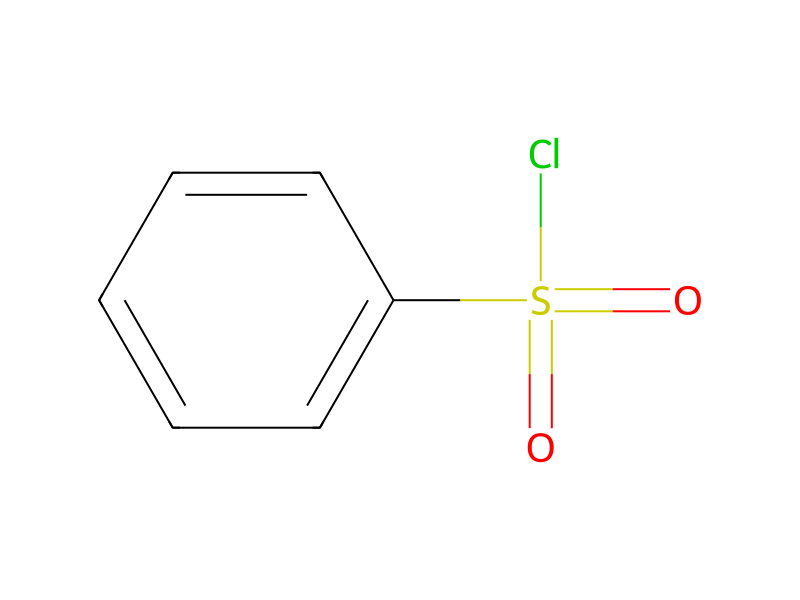
[OH-].[Na+].[O:3]=[C:4]1[CH2:12][CH2:11][CH2:10][C:9]2[NH:8][CH:7]=[CH:6][C:5]1=2.[C:13]1([S:19](Cl)(=[O:21])=[O:20])[CH:18]=[CH:17][CH:16]=[CH:15][CH:14]=1>ClCCCl>[C:13]1([S:19]([N:8]2[C:9]3[CH2:10][CH2:11][CH2:12][C:4](=[O:3])[C:5]=3[CH:6]=[CH:7]2)(=[O:21])=[O:20])[CH:18]=[CH:17][CH:16]=[CH:15][CH:14]=1To a suspension of NaOH (4.44 g) in 1,2-dichloroethane (250 mL) was added 4-oxo-4,5,6,7-tetrahydroindole (5.0 g). The mixture was then cooled to 0° C. and stirred for 30 min, following which a solution of phenylsulfonyl chloride (5.7 mL) in 1,2-dichloroethane (50 mL) was added dropwise over a period of 30 min. After 30 min of stirring, the reaction mixture was allowed to come to room temperature and stirred overnight. The reaction was quenched by pouring onto distilled water (100 mL). The organic layer was separated, and the aqueous layer was extracted with dichloromethane (3×50 mL). The combined organic extract was washed with distilled water to neutrality, dried over MgSO4, and concentrated in vacuo to afford 7.0 g of the title compound.