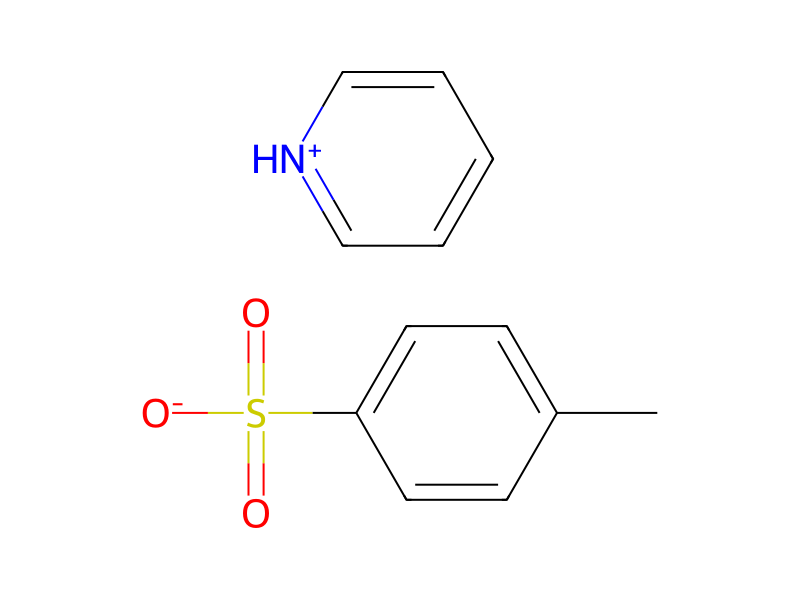
[CH:1]1([CH2:6][C@@H:7]2[CH2:10][N:9]([O:11][CH2:12][C:13]3C=C[CH:16]=[CH:15][CH:14]=3)[C:8]2=[O:19])[CH2:5][CH2:4][CH2:3][CH2:2]1.[O:20]1C=CCCC1.C1(C)C=CC(S([O-])(=O)=O)=CC=1.[NH+]1C=CC=CC=1>C(O)C>[CH:1]1([CH2:6][C@@H:7]2[CH2:10][N:9]([O:11][CH:12]3[CH2:13][CH2:14][CH2:15][CH2:16][O:20]3)[C:8]2=[O:19])[CH2:5][CH2:4][CH2:3][CH2:2]1(3R)-3-(Cyclopentylmethyl)-1-[(phenylmethyl)oxy]-2-azetidinone (100 g, 386 mmol) was dissolved in ethanol (1.2 L), and the solution was degassed. Pd on C (10%, dry, 8 g) was added and the suspension was purged with hydrogen and stirred under a hydrogen atmosphere (balloon) until the reaction was complete by LC-MS (approximately 6 h). The suspension was then sparged with nitrogen, filtered through Celite, and evaporated to dryness. The resulting solid was redissolved in CH2Cl2 (1 L) and dihydropyran (70 mL, 767 mmol) was added, followed by pyridinium p-toluenesulfonate (PPTS, 5%, 4.85 g). The reaction mixture was stirred 3 days at room temperature, then concentrated and chromatographed on silica gel using 10-20% ethyl acetate in hexanes to provide (3R)-3-(cyclopentylmethyl)-1-(tetrahydro-2H-pyran-2-yloxy)-2-azetidinone as a colorless liquid (100%).