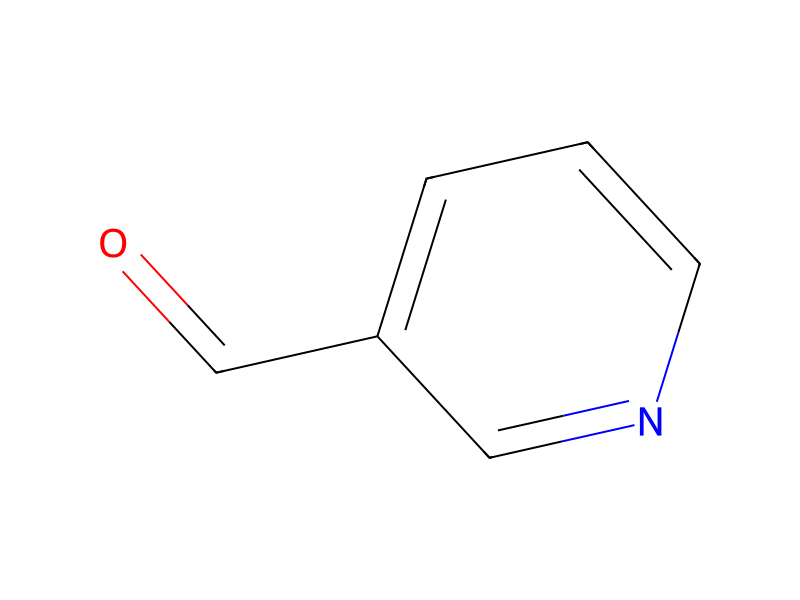
[N:1]1[CH:6]=[CH:5][CH:4]=[C:3]([CH:7]=[O:8])[CH:2]=1.[NH2:9][C:10]1[CH:15]=[CH:14][C:13]([CH2:16][C:17]([O:19][CH3:20])=[O:18])=[CH:12][C:11]=1O.C(O)(=O)C.C(O)(=O)C.IC1C=CC=CC=1>CCO>[N:1]1[CH:6]=[CH:5][CH:4]=[C:3]([C:7]2[O:8][C:11]3[CH:12]=[C:13]([CH2:16][C:17]([O:19][CH3:20])=[O:18])[CH:14]=[CH:15][C:10]=3[N:9]=2)[CH:2]=1In EtOH (15 ml), pyridine-3-aldehyde (0.63 g, 5.89 mmol) and methyl 4-amino-3-hydroxyphenylacetate (1.06 g, 5.85 mmol) were stirred at room temperature for 20 hours. To the reaction mixture was added iodobenzene diacetate (2.26 g, 7.02 mmol), followed by stirring at room temperature for 20 minutes. The reaction mixture was distilled under reduced pressure to remove the solvent and the residue was dissolved in ethyl acetate. The ethyl acetate solution was washed with a saturated aqueous solution of sodium bicarbonate, dried over anhydrous sodium sulfate, and distilled under reduced pressure to remove the solvent. The residue was purified by chromatography on a silica gel column, whereby from n-hexane/ethyl acetate (1:1, v/v) eluate fractions, methyl (2-(3-pyridyl)-6-benzoxazolyl)acetate (360 mg, 23%) was obtained as a pale yellow solid.