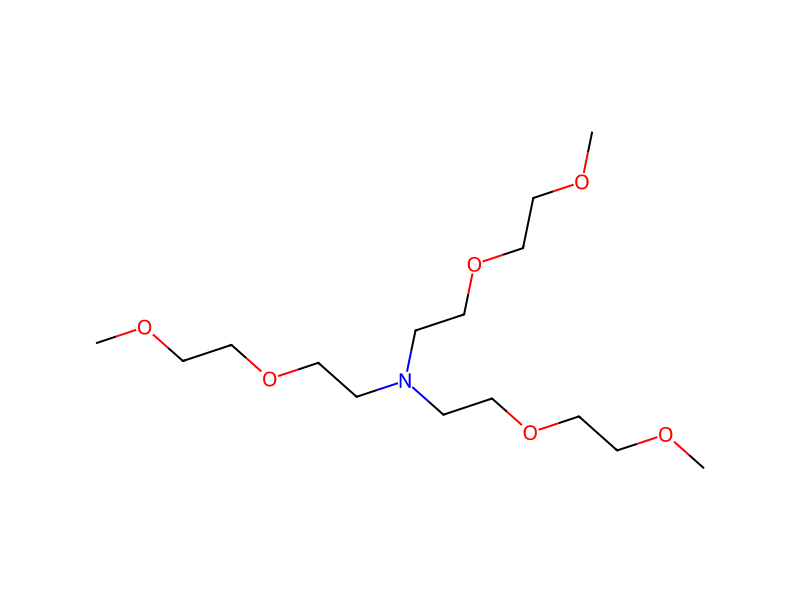
Cl[C:2]1[CH:7]=[C:6]([Cl:8])[C:5]([N+:9]([O-:11])=[O:10])=[CH:4][C:3]=1[N+:12]([O-:14])=[O:13].[C:15]([O:19][CH2:20][CH3:21])(=[O:18])[CH2:16][OH:17].C(=O)([O-])[O-].[K+].[K+].COCCOCCN(CCOCCOC)CCOCCOC>C(#N)C.Cl>[N+:12]([C:3]1[CH:4]=[C:5]([N+:9]([O-:11])=[O:10])[C:6]([Cl:8])=[CH:7][C:2]=1[O:17][CH2:16][C:15]([O:19][CH2:20][CH3:21])=[O:18])([O-:14])=[O:13]A solution of 1,5-dichloro-2,4-dinitrobenzene (2.0 g), ethyl glycolate (1.32 g) and anhydrous potassium carbonate (0.88 g) and TDA-1 (0.27 g) in acetonitrile (10 g) was refluxed for 5 hours. After cooling, the reaction mixture was diluted with 3% hydrochloric acid (200 ml) and extracted with ethyl acetate. The organic layer was washed with 5% sodium carbonate solution, water and saturate sodium chloride solution in order, dried over magnesium sulfate, filtered and concentrated. The precipitated crystals were collected by filtration and recrystallized from methanol to give ethyl 2,4-dinitro-5-chlorophenoxyacetate (1.9 g; yield, 73.9%). M.P., 129°-130° C.