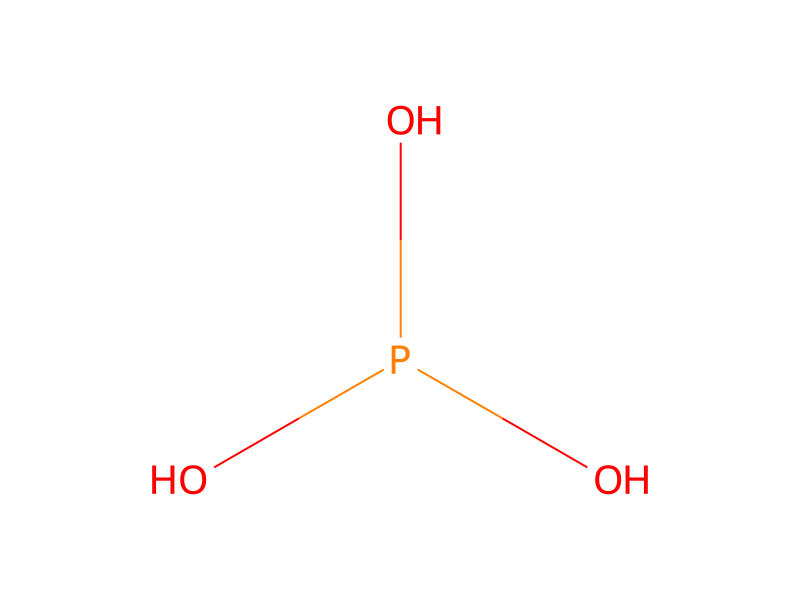
C(N1C[C:8](=O)[N:7]([CH:11]([CH3:13])[CH3:12])[CH2:6][C:5]1=[O:14])(C)C.Cl.[P:16]([OH:19])([OH:18])[OH:17].C=[O:21]>O>[CH:11]([N:7]([CH2:8][P:16]([OH:19])([OH:18])=[O:17])[CH2:6][C:5]([OH:14])=[O:21])([CH3:12])[CH3:13]A 100 ml 3-necked flask was equipped with a magnetic stir bar, thermometer, condenser and an addition funnel. To this flask were added 1,4-diisopropyl-2,5-diketopiperazine (1.98 g; 10.0 mmol), water (25 ml), concentrated hydrochloric acid (10 ml), and phosphorous acid (1.72 g; 21 mmol). The resulting mixture was heated rapidly to 105° C. At this point, a solution of 37% formaldehyde in water (1.95 g; 24 mmol) was added slowly drop-wise to the mixture. Upon completion of the addition of formaldehyde, the reaction mixture was heated at 104°-105° C. for 17 hours. Analysis of the reaction mixture by HPLC indicated the presence of 1.49 g (70.7% yield) of N-isopropyl-N-phosphonomethylglycine.