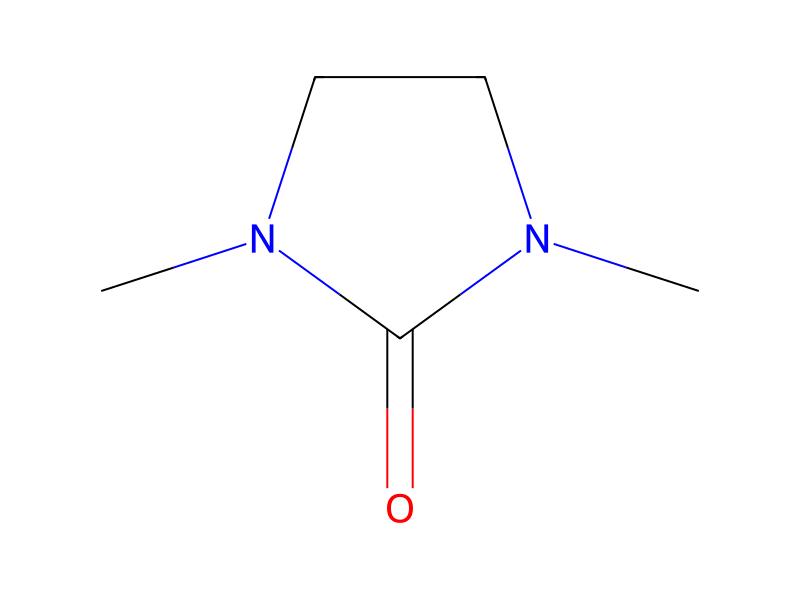
Diisopropylamine (2.7 ml, 19.59 mmol) and 1.6 M of n-butyllithium-hexane solution (12.2 ml, 19.59 mmol) were added to THF (30 ml) under argon gas at 0° C. After stirring for 15 minutes, the solution was cooled to −45° C. Then, (S)-3-hydroxy-γ-butyrolactone (1 g, 9.794 mmol) in THF (20 ml) was added thereto. After stirring for 30 minutes at −45° C., benzyl bromide (1.4 ml, 11.75 mmol) and 1,3-dimethyl2-imidazolidinone (2.9 ml) in THF (20 ml) were added thereto. After stirring for 3 hours at the same temperature, an aqueous saturated ammonium chloride was added to the reaction mixture and the mixture was extracted with ethyl acetate. The organic layer was washed with water and saturated brine, dried over magnesium sulfate, and condensed in vacuo. The residue was purified by silica gel chromatography to give (2S,3S)-2-benzyl-3-hydroxy-γ-butyrolactone (0.577 g, yield 31%).