1-Piperazinecarboxylic acid, ethyl ester → Ethyl 4-[2-(4-fluorophenyl)ethyl]piperazine-1-carboxylate
HRID 1389278
Reaktionsgleichung

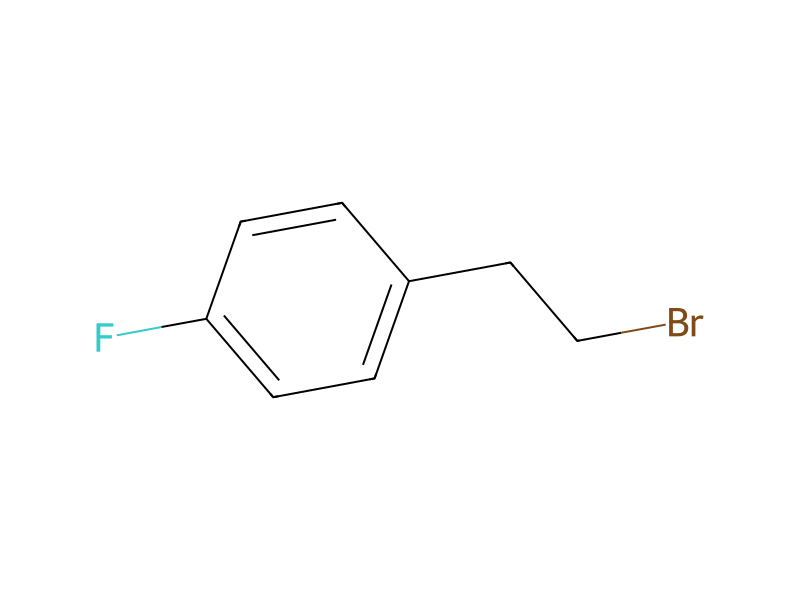
[CH2:1]([O:3][C:4]([N:6]1[CH2:11][CH2:10][NH:9][CH2:8][CH2:7]1)=[O:5])[CH3:2].[F:12][C:13]1[CH:18]=[CH:17][C:16]([CH2:19][CH2:20]Br)=[CH:15][CH:14]=1>O>[CH2:1]([O:3][C:4]([N:6]1[CH2:7][CH2:8][N:9]([CH2:20][CH2:19][C:16]2[CH:17]=[CH:18][C:13]([F:12])=[CH:14][CH:15]=2)[CH2:10][CH2:11]1)=[O:5])[CH3:2]Komponenten
4
Edukt 2

Produkt 1

Reagenzien, Katalysatoren, Lösungsmittel 1

Reaktionsbedingungen
- Temperatur
- 100 °C