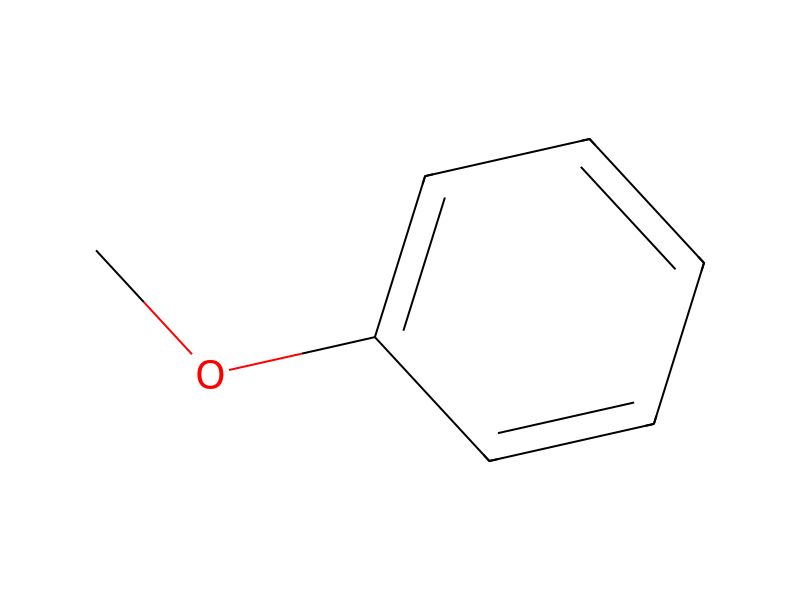
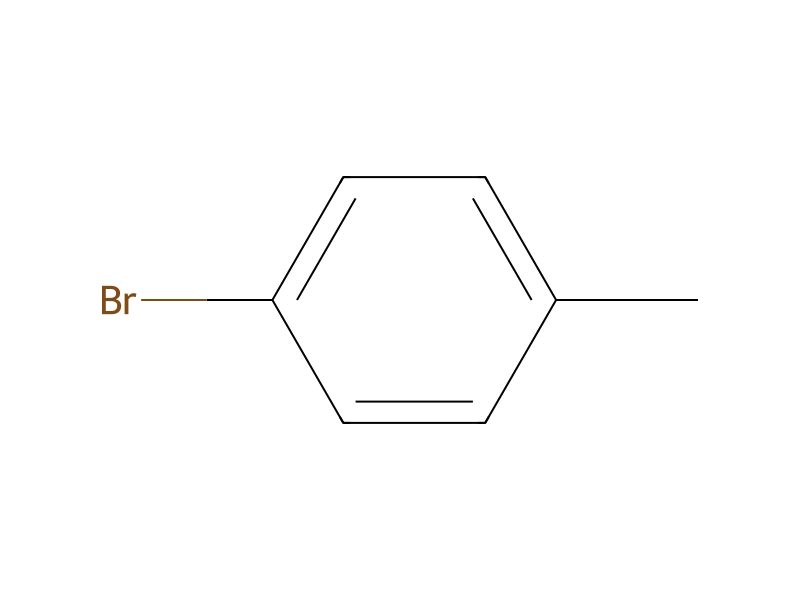
[Mg].Br[C:3]1[CH:8]=[CH:7][C:6]([CH3:9])=[CH:5][CH:4]=1.C1([O:16]C)C=CC=CC=1.[C:18]([C:20]1[N:24]([CH3:25])[C:23]([CH2:26][C:27]([OH:29])=[O:28])=[CH:22][CH:21]=1)#N>O1CCCC1>[CH3:25][N:24]1[C:20]([C:18]([C:3]2[CH:8]=[CH:7][C:6]([CH3:9])=[CH:5][CH:4]=2)=[O:16])=[CH:21][CH:22]=[C:23]1[CH2:26][C:27]([OH:29])=[O:28]To a solution of the Grignard reagent prepared from 0.71 g. (31 mmol) of magnesium and 5.3 g. (31 mmol) of 4-bromotoluene in a mixture of 20 ml. of anisole and 5 ml. of tetrahydrofuran was added over five minutes with stirring and heating a solution of 0.98 g. (6.0 mmol) of 5-cyano-1-methylpyrrole-2-acetic acid in a mixture of 5 ml. of anisole and 3 ml. of tetrahydrofuran. The reaction mixture was then heated under reflux (115° C.) for two hours, cooled, and partitioned between ether and dilute aqueous hydrochloric acid. Following a work-up procedure similar to that described for Example 1, there was obtained from the ether phase 60 mg. of purple liquid that contained only a trace of starting cyanoacid, and from the aqueous phase, 1.18 g. (77% yield) of 1-methyl-5-p-toluoylpyrrole-2-acetic acid as a brown solid.