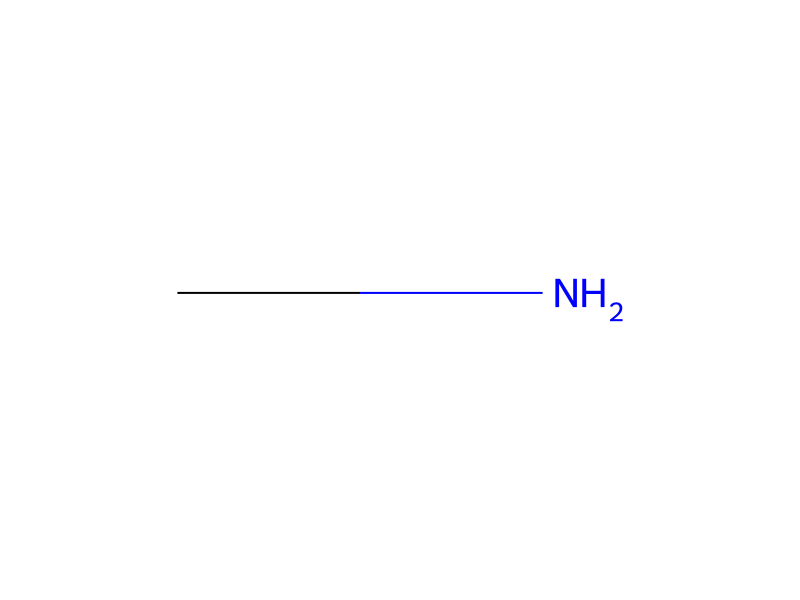
203.5 Parts of 99.5% 2,4-dinitrochlorobenzene are effectively stirred in 390 parts of water. The beige-coloured suspension is heated to 70° C in the course of 35 minutes, and at aprox. 46° C becomes a light brown emulsion. Then 120 parts by volume of a 41% aqueous solution of methylamine are added dropwise at 85° C bath temperature in the course of half an hour. During the dropwise addition the temperature rises to 88° C. The emulsion solidifies slowly and a thick yellow crust forms on the wall of the flask. Thereafter 103 parts by volume of 30% sodium hydroxide solution are added dropwise in the course of a further hour. The temperature falls to below 81° C. The crust gradually detaches itself from the wall of the flask and a yellow suspension forms. This suspension is heated to 90° C in the course of 15 minutes, stirred for 1 hour at 85° to 90° C, then cooled for 2 hours to 30° C and filtered by suction. As the filter cake still contains some lumps, it is stirred in 305 parts of water in a laboratory mixer, filtered by suction, washed with 1150 parts of water and dried at 60° C in vacuo, affording 193 parts of N-methyl-2,4-dinitro-aniline (97.8% of theory, referred to 2,4-dinitrochlorobenzene). The product has a melting point of 177°-178° C.