Potassium Phosphate, Tribasic → 3-Phenylfuran
HRID 1403399
Reaktionsgleichung

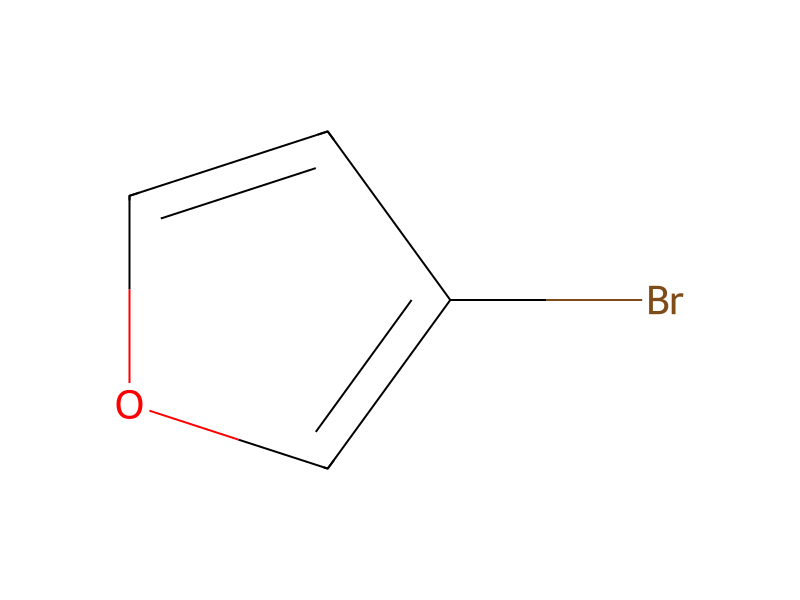
[C:1]1(B(O)O)[CH:6]=[CH:5][CH:4]=[CH:3][CH:2]=1.Br[C:11]1[CH:15]=[CH:14][O:13][CH:12]=1.[O-]P([O-])([O-])=O.[K+].[K+].[K+]>O1CCOCC1.O.C1C=CC([P]([Pd]([P](C2C=CC=CC=2)(C2C=CC=CC=2)C2C=CC=CC=2)([P](C2C=CC=CC=2)(C2C=CC=CC=2)C2C=CC=CC=2)[P](C2C=CC=CC=2)(C2C=CC=CC=2)C2C=CC=CC=2)(C2C=CC=CC=2)C2C=CC=CC=2)=CC=1>[C:1]1([C:11]2[CH:15]=[CH:14][O:13][CH:12]=2)[CH:6]=[CH:5][CH:4]=[CH:3][CH:2]=1Komponenten
7