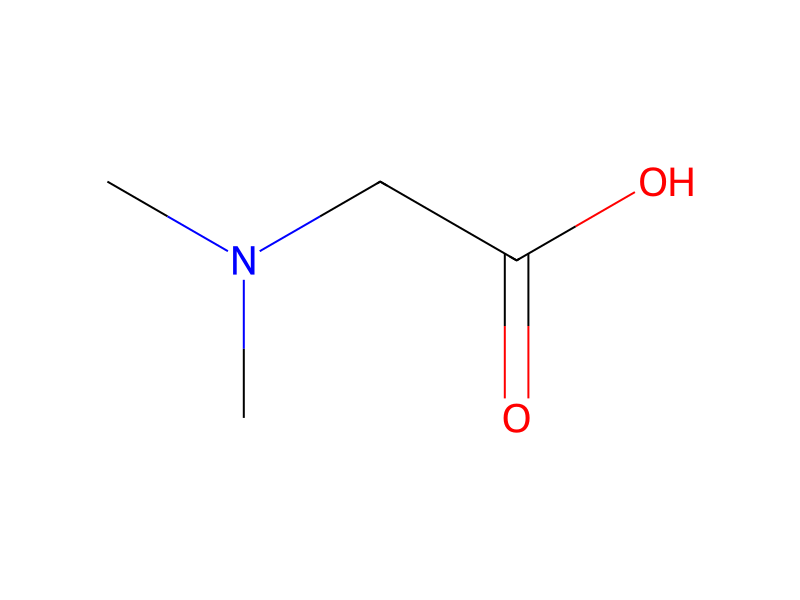
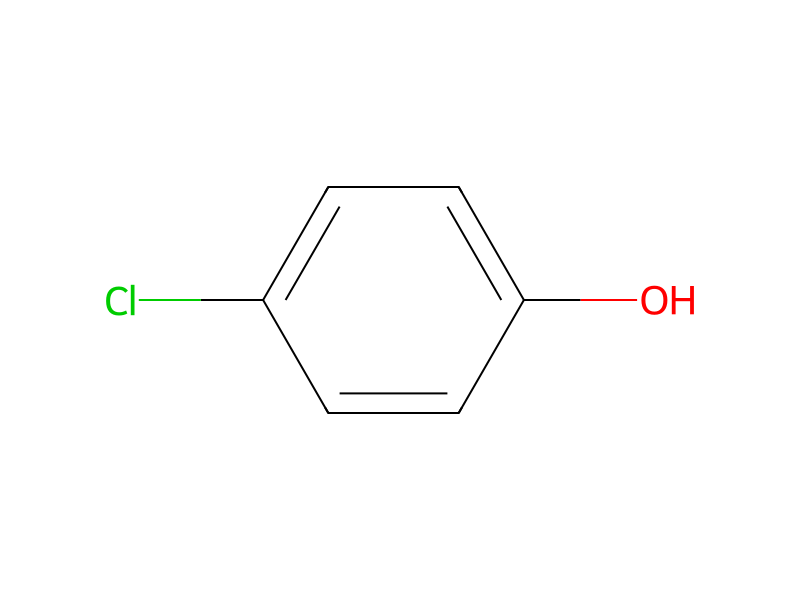
2-(2-Bromophenyl)acetate (10 g, 43.7 mmol) and 4-chlorophenol (5.61 g, 43.7 mmol) were dissolved in dioxane (150 mL) whiling warming to 50. To the resulting solution were added, under stirring in an inert nitrogen atmosphere, cesium carbonate (28.35 g, 87.4 mmol) and copper (I) chloride (1.73 g, 17.48 mmol). Finally N,N-dimethylglycine (0.9 g, 8.74 mmol) was added to the green suspension. The mixture was heated at 110 for 2 days while stirring. The mixture was filtrated over dicalite, which was washed with dioxane (20 mL). The dioxane was removed in vacuum to leave brownish oil. EtOAc was added to the oil and the pH of the resulting mixture was adjusted to 1 by addition of 1 M HCl. The organic phase was washed with saturated brine, dried over Na2SO4 and concentrated under vacuum to yield the crude product, which was purified by column chromatography to give 2-(2-(4-chlorophenoxy)phenyl)acetic acid (8 g, 70%).