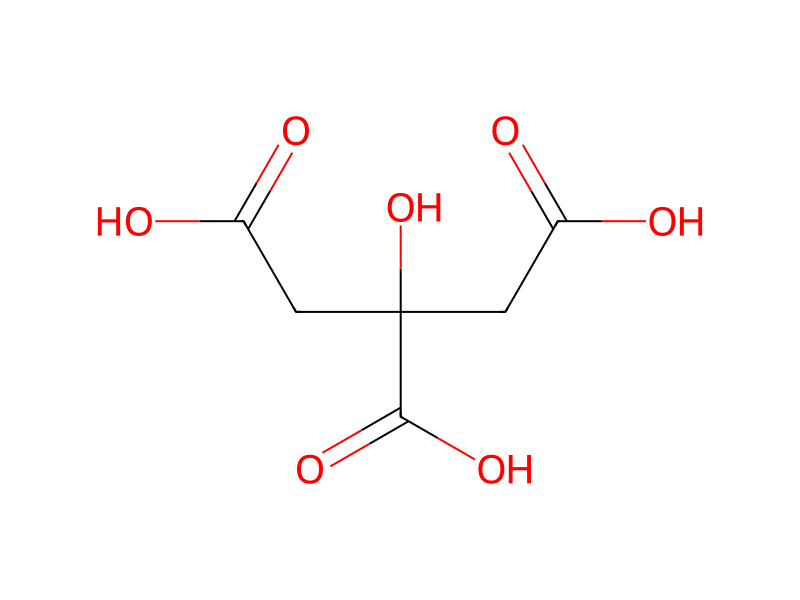
CC(C)([O-])C.[K+].[Br-].[CH3:8][O:9][CH2:10][P+](C1C=CC=CC=1)(C1C=CC=CC=1)C1C=CC=CC=1.[Cl:30][C:31]1[CH:36]=[CH:35][C:34]([N:37]2[CH:41]=[CH:40][C:39]([O:42][C:43]3[CH:48]=[CH:47][CH:46]=[CH:45][C:44]=3[C:49](=O)[C:50]([O:52][CH3:53])=[O:51])=[N:38]2)=[CH:33][CH:32]=1.C(O)(=O)CC(CC(O)=O)(C(O)=O)O>O1CCCC1>[Cl:30][C:31]1[CH:36]=[CH:35][C:34]([N:37]2[CH:41]=[CH:40][C:39]([O:42][C:43]3[CH:48]=[CH:47][CH:46]=[CH:45][C:44]=3/[C:49](=[CH:8]\[O:9][CH3:10])/[C:50]([O:52][CH3:53])=[O:51])=[N:38]2)=[CH:33][CH:32]=1A solution of 0.38 g of potassium tert-butoxide in 3 ml of tetrahydrofuran was added dropwise at not more than 5° C to a suspension of 1.4 g of methoxymethyltriphenylphosphonium bromide ("Wittig reagent") in 15 ml of anhydrous tetrahydrofuran. 1.0 g of methyl 2-[1-(4-chlorophenyl)-3-pyrazolyloxy]phenylglyoxalate (cf. Ex. 1) in 5 ml of tetrahydrofuran was added to the dark red suspension, and the batch was allowed to come to room temperature. Wittig reagent was metered in twice more until all of the keto ester had reacted. For working-up, the batch was stirred into 20% by weight of aqueous citric acid and the mixture was extracted three times with methyl tert-butyl ether. The combined organic phases were washed until neutral, dried over sodium sulfate and subsequently concentrated. The crude product (3.2 g) was chromatographed over silica gel (eluent: toluene/ethyl acetate, 95/5). The resulting E/Z mixture was separated by medium-pressure chromatography on silica gel (eluent heptane/ethyl acetate, 9/1→7/3). This gave 0.5 g of the title compound and 0.15 g of the Z isomer.