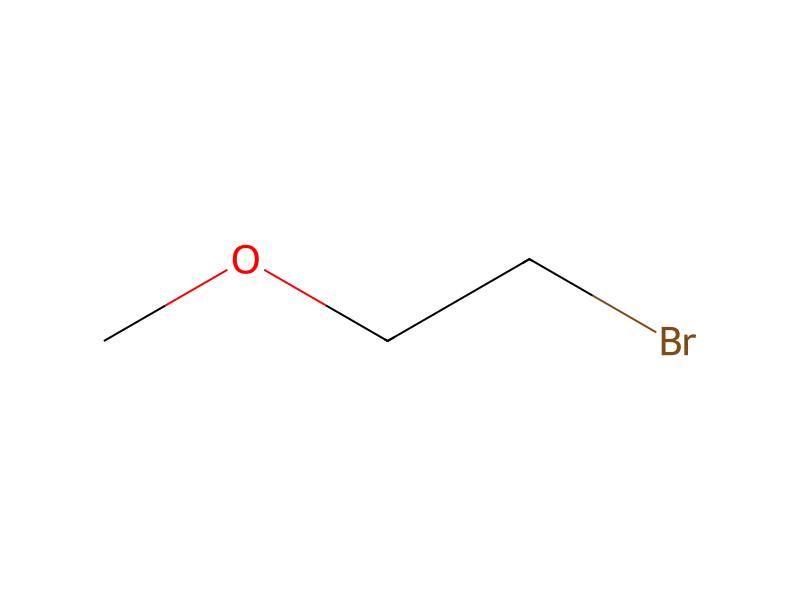
[CH2:1]([O:3][C:4]([N:6]1[CH2:11][CH2:10][CH:9]([C:12]2[C:20]3[C:15](=[N:16][CH:17]=[CH:18][CH:19]=3)[NH:14][CH:13]=2)[CH2:8][CH2:7]1)=[O:5])[CH3:2].[H-].[Na+].Br[CH2:24][CH2:25][O:26][CH3:27].O>CN(C=O)C>[CH2:1]([O:3][C:4]([N:6]1[CH2:11][CH2:10][CH:9]([C:12]2[C:20]3[C:15](=[N:16][CH:17]=[CH:18][CH:19]=3)[N:14]([CH2:24][CH2:25][O:26][CH3:27])[CH:13]=2)[CH2:8][CH2:7]1)=[O:5])[CH3:2]1.0 g (3.66 mmol) of 4-(1H-pyrrolo[2,3-b]pyridin-3-yl)piperidine-1-carboxylic acid ethyl ester were dissolved in 10 ml of DMF and, at room temperature, 0.19 g (4.76 mmol) of 60% sodium hydride were carefully added. This mixture was stirred for half an hour. 0.45 ml (5.12 mmol) of 1-bromo-2-methoxyethane were added dropwise and the mixture was further stirred for 24 hours at 60° C. The reaction mixture was cooled to room temperature and poured over cold water. The aqueous phase was extracted twice with dichloromethane and the organic phase was washed with water and brine, dried with magnesium sulphate, filtered and evaporated to dryness. This resulted in 0.86 g (71% of yield) of product.