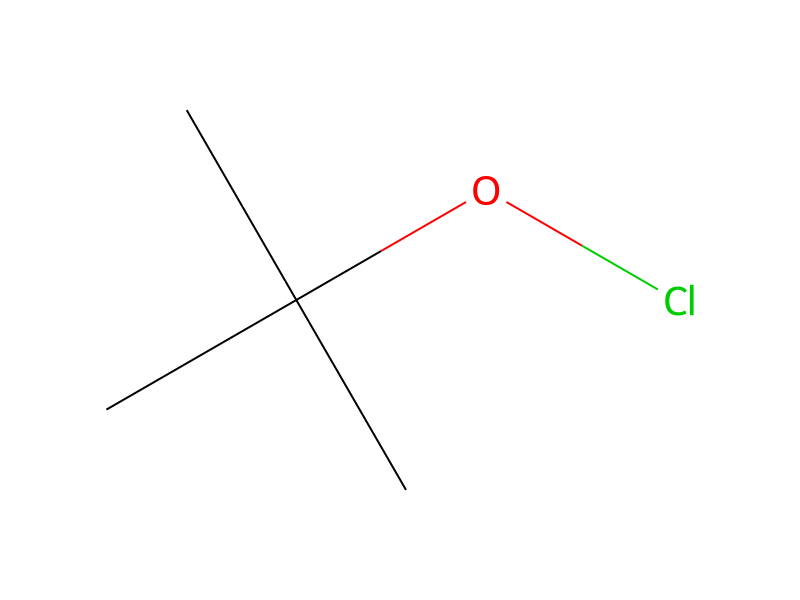
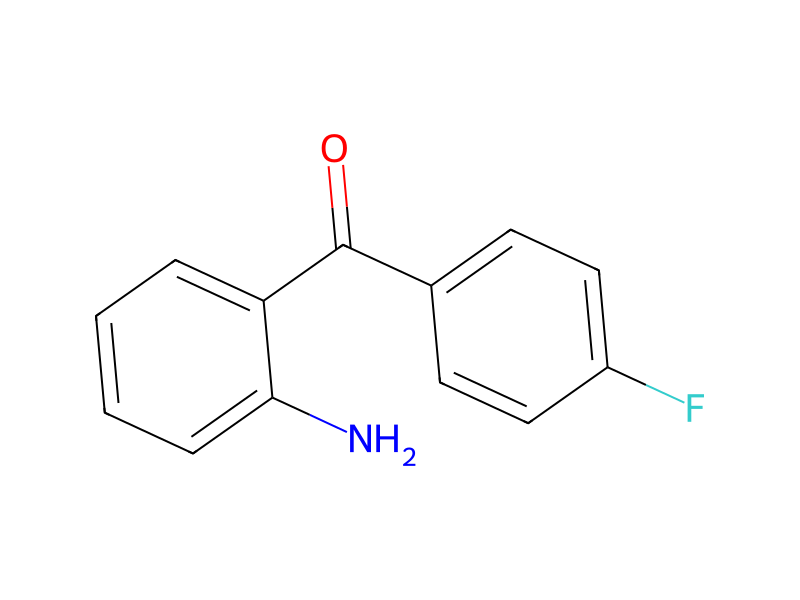
[F:1][C:2]1[CH:7]=[CH:6][C:5]([C:8](=[O:16])[C:9]2[CH:14]=[CH:13][CH:12]=[CH:11][C:10]=2[NH2:15])=[CH:4][CH:3]=1.[C:17]([O:21]Cl)(C)(C)[CH3:18].[CH2:23]([CH2:26][C:27](N)=[S:28])CC.C([N:32](CC)CC)C>C(Cl)Cl>[NH2:15][C:10]1[C:9]([C:8](=[O:16])[C:5]2[CH:4]=[CH:3][C:2]([F:1])=[CH:7][CH:6]=2)=[CH:14][CH:13]=[CH:12][C:11]=1[CH:18]([S:28][CH2:27][CH2:26][CH3:23])[C:17]([NH2:32])=[O:21]A solution of 21.5 g (0.1 mole) of 4'-fluoro-2-aminobenzophenone in 400 ml of methylene chloride was cooled to -70° C. and 11.5 g (0.1 mole) of 95% t-butylhypochlorite was added over a period of 15 min, keeping the temperature below -66° C. To this solution was added a solution of 13.3 g of 2-n-propylthioacetamide in 50 ml of methylene chloride over a 10 min period. The solution was stirred for 1 hr at -65° to -70° C. and then allowed to warm to 0° C. at which point 10.2 g (0.1 mole) of triethylamine was added. The solution was stirred for 10 minutes and then washed with water. The organic solution was dried over magnesium sulfate. After concentrating under reduced pressure, the residue was crystallized from isopropyl alcohol and dried to give 19.5 g (56%) of yellow crystals melting at 140°-142° C.