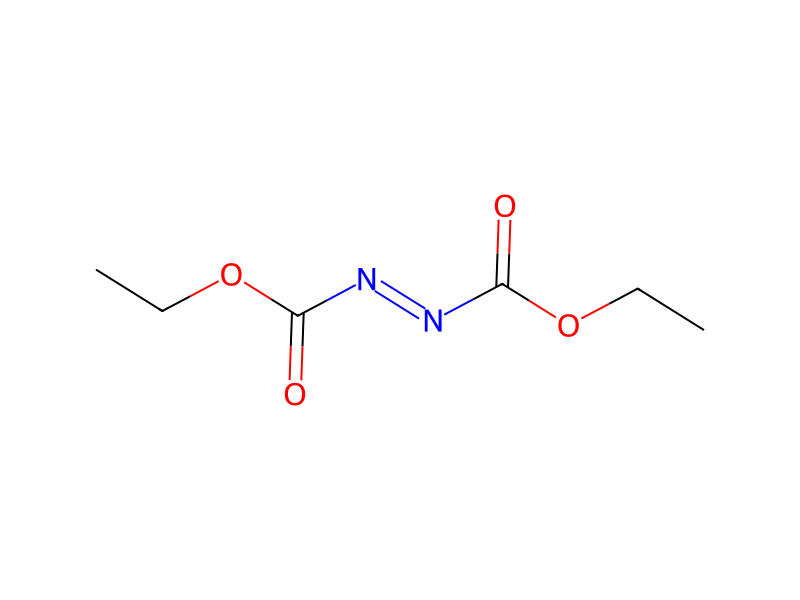
C[C:2]1[CH:18]=[CH:17][CH:16]=[CH:15][C:3]=1[O:4][CH:5]([C:12]([OH:14])=O)[CH2:6][C@@H:7]([C:9]([OH:11])=[O:10])[NH2:8].[C:19]1(P(C2C=CC=CC=2)C2C=CC=CC=2)C=CC=CC=1.O[C:39]1[CH:51]=[CH:50][C:49]2C3C(=CC=CC=3)[CH2:42][C:41]=2[CH:40]=1.CCOC(/N=N/C(OCC)=O)=O>O1CCCC1>[CH:15]1[C:16]2[CH2:42][C:41]3[C:40](=[CH:39][CH:51]=[CH:50][CH:49]=3)[C:17]=2[CH:18]=[CH:2][C:3]=1[O:4][CH:5]1[CH2:6][CH:7]([C:9]([O:11][CH3:19])=[O:10])[NH:8][C:12]1=[O:14]A mixture of the compound prepared as described in Example 4 (0.462 g), triphenylphosphine (0.864 g), and 2-hydroxyfluorene (0.600 g) in tetrahydrofuran (4.2 ml) was cooled to approximately 1°-2° C., and treated with a solution of diethylazodicarboxylate (0.573 g) in tetrahydrofuran (1.7 ml) over a five minute period. After the addition was complete, the reaction was allowed to warm to room temperature. After about 24 hours, the resulting suspension was filtered, and the insolubles washed with tetrahydrofuran (5 ml) to give 0.526 g of methyl 3-(2-fluorenoxy)-2-pyrrolidone-5-carboxylate. This material was dried in a vacuum oven at 60° C. for approximately 24 hours.